
Introduction to Orange Marmalade
Making your own orange marmalade is more than just a culinary experiment; it’s a rewarding experience that fills your kitchen with the delightful aroma of citrus. But why should you consider making this tangy treat at home? For starters, homemade marmalade allows you to control the ingredients, ensuring that each spoonful bursts with natural flavors. It’s a fantastic way to use up surplus oranges, especially if you’ve bought a bag during citrus season.
Not only does it taste better than store-bought options, but you can also customize it to suit your palate. Feel free to experiment with different types of oranges—think Seville for a bolder flavor or sweet Cara Caras for a subtle hint of berry. Plus, if you venture into the world of marmalade-making, you'll discover a host of variations, from zesty ginger to spicy jalapeño.
The icing on the cake? It makes for a perfect gift! A jar of homemade orange marmalade can brighten the day of any brunch lover. So grab those fresh oranges, and let’s explore how to create this sunny spread together! For additional tips on citrus preservation, check out this guide.
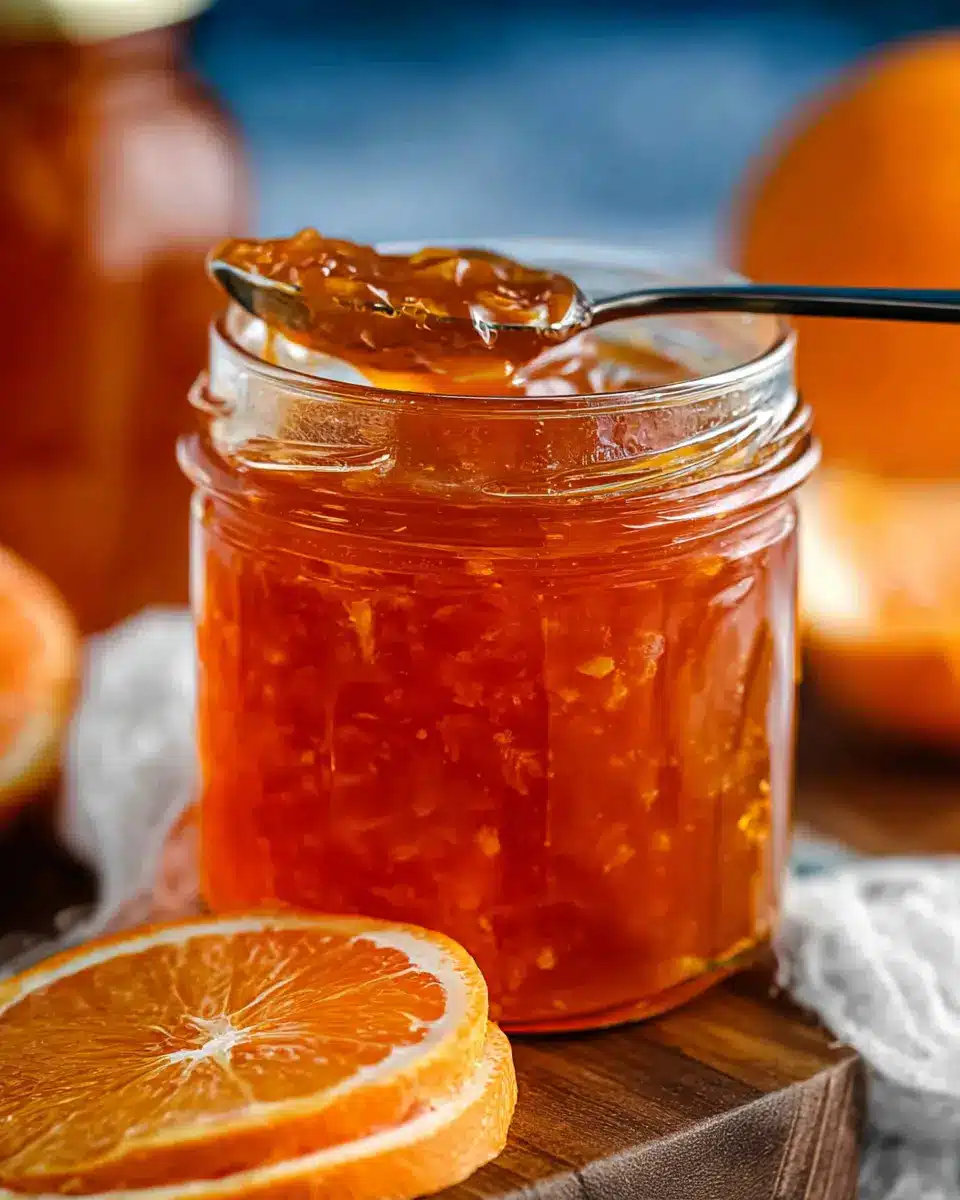
Ingredients for Orange Marmalade
When embarking on your orange marmalade adventure, it all begins with quality ingredients. Here’s what you’ll need to create this delightful spread.
Essential Ingredients for the Recipe
- Oranges: 2.0 to 2.3 pounds (about 4 medium-sized oranges) are essential for the base flavor. Opt for organic varieties, such as navel or Seville, for the best results.
- Lemon: The zest and juice of one lemon elevate the citrusy brightness of your marmalade.
- Water: Just ⅓ cup of water helps bring everything together during cooking.
- Granulated Sugar: 4 cups may seem like a lot, but this sweetener not only enhances flavor but also aids in preservation and setting.
Optional Ingredients for Flavor Variations
Consider these fun twists to personalize your orange marmalade:
- Other Citrus: Mix in grapefruit or tangerines for a unique flavor profile.
- Ginger: A pinch of freshly chopped ginger can add a warming touch.
- Spices: Try adding a cinnamon stick or a clove for extra depth.
- Vanilla: A splash of pure vanilla extract at the end can round out the flavors beautifully.
Feel free to get creative! Everyone loves a unique twist on a classic. For further inspiration, check out sites like Serious Eats or AllRecipes for additional marmalade ideas. Happy cooking!
Preparing Orange Marmalade
Making your own orange marmalade can feel both rewarding and fun. Whether you're aiming to enjoy a delightful spread on your morning toast or impress your friends with a homemade gift, this easy recipe guides you through every step of the process. Let’s dive in!
Step 1: Prepare the fruit
First and foremost, we need to ensure our oranges are clean and ready to go. Start by washing your oranges and lemon thoroughly, scrubbing the peels to remove any dirt or residues. It’s crucial to spend a little extra time here, especially if you're using non-organic fruits. Organic oranges are often preferred since their skins are typically free from pesticides. Plus, you'll find that fruits with thinner skins yield a tastier marmalade. Ensure you have about 2.0 to 2.3 pounds of oranges, which translates to roughly four medium-sized ones.
Step 2: Process and chop the oranges
Once your fruits are squeaky clean, slice off the ends of the oranges to create a flat surface. Cut each orange in half and then into quarters, giving you 8 manageable pieces per orange. Don’t forget to discard any seeds you might encounter! Now it's time to chop the oranges. Place them in a food processor and pulse until the rind is finely chopped. This is essential; the smaller the pieces, the smoother your marmalade will be. While you’re at it, pop a plate in the freezer — we’ll use it later to check the consistency of the mix.
Step 3: Combine ingredients in the saucepan
With your chopped oranges ready, it’s time to whisk everything together. Grab a large saucepan and add the chopped oranges, along with the zest and juice of your lemon. Add in ⅓ cup of water and stir in 4 cups of granulated sugar. The sugar not only sweetens the marmalade but also helps to preserve it. Make sure everything is well combined before moving on!
Step 4: Cook to the perfect consistency
Bring the mixture to a boil over medium heat, then reduce to a low boil. This part is crucial: you’ll want to simmer while stirring often for about 30 to 35 minutes. Keep your eyes peeled! You’ll know it’s done when it slides off a spoon in sheets instead of droplets, appearing thick and luscious. A dollop poured onto your chilled plate should gel slightly while still glimmering.
Step 5: Jar and store the marmalade
Once you're satisfied with the consistency, it’s time to jar your orange marmalade. Pour the hot mixture into sterilized half-pint mason jars, leaving some headspace at the top, and cover with clean lids. Allow the jars to cool to room temperature before refrigerating. If stored in the fridge, your marmalade will stay fresh for up to two weeks. Alternatively, feel free to freeze some for later enjoyment — up to three months!
With this simple guide, you're well on your way to creating a delightful batch of homemade orange marmalade. Don't be shy about experimenting with flavors, adding a hint of ginger or a dash of cinnamon to make it your own!
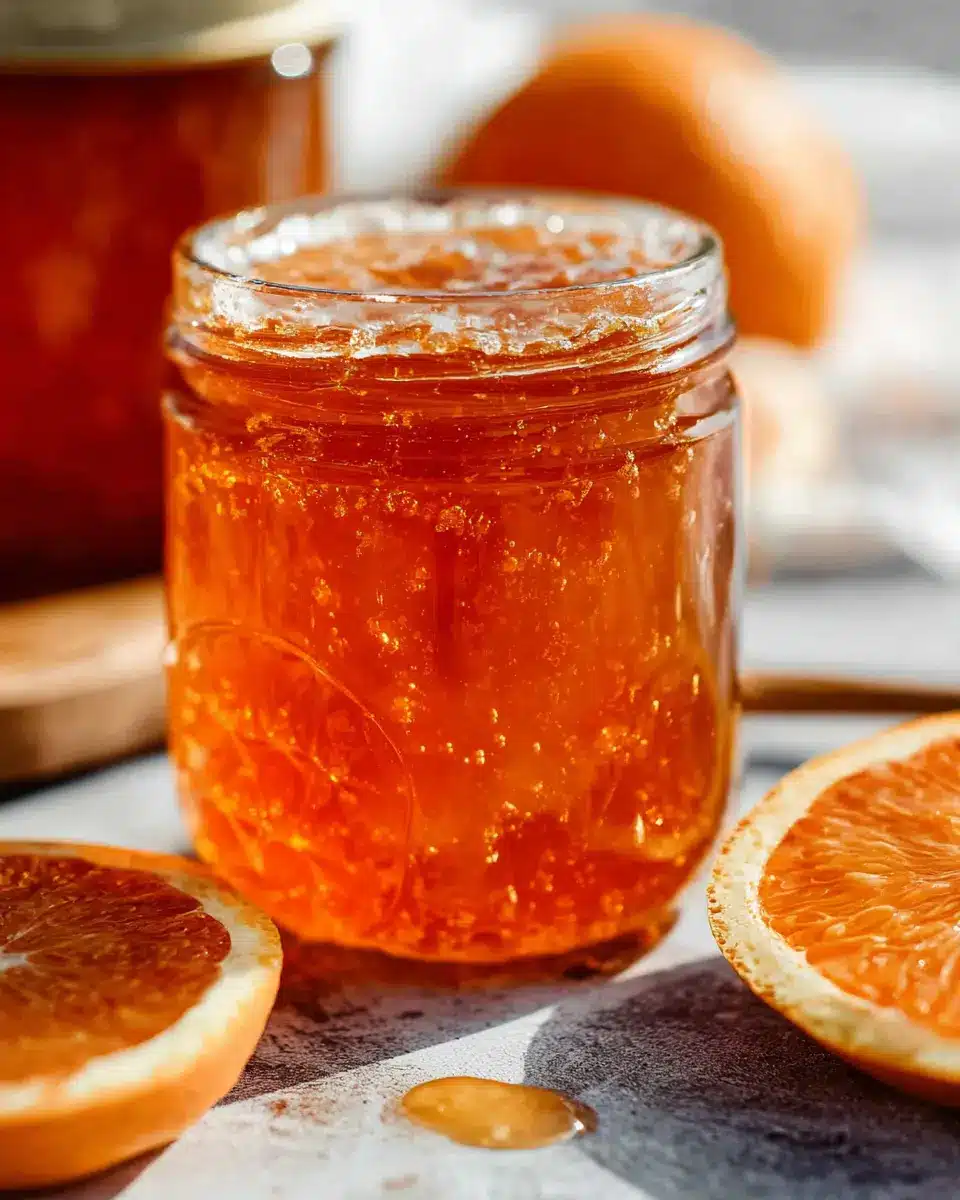
Variations on Orange Marmalade
While the classic orange marmalade is a beloved staple, there are plenty of creative ways to enhance this delightful condiment. Here are some variations that can elevate your spread game:
Incorporating Other Citrus Fruits
Mix it up by adding a medley of citrus fruits like grapefruit, lemon, or tangerine. Not only does this diversify the flavor, but it also adds a unique twist. Just maintain the total weight of your fruit to keep the balance right!
Adding Ginger for a Zing
For those who enjoy a bit of spice, consider freshly chopped ginger root. A tablespoon or two can brighten the marmalade while introducing a warm, aromatic finish. It’s perfect for waking up your breakfast routine!
Infusing with Jalapeño for a Kick
Feeling adventurous? Dice up some jalapeño and throw it into the mix while cooking your orange marmalade. This unexpected addition will stir up your taste buds and transform your toast, biscuits, or even grilled meats into a flavor-packed experience.
These variations not only enhance the complexity of your orange marmalade, but they also open up new culinary avenues. What will you try first?
Cooking Tips and Notes for Orange Marmalade
Importance of Using Organic Oranges
When crafting your orange marmalade, choosing organic oranges is key. Conventional oranges may be treated with pesticides and waxes, which can affect both your health and the flavor of your jam. Organic options ensure you’re getting a pure taste and the freshest zest without any unwanted additives. For the best results, opt for thinner-skinned varieties like navel or Seville oranges, as these have less pith, resulting in a sweeter, less bitter marmalade.
How to Tell When Your Marmalade is Ready
Knowing when your orange marmalade has reached the perfect consistency is crucial. During cooking, keep a plate in the freezer—this will be your testing tool. Once you think your mix is ready, pour a spoonful onto the cold plate. If it holds its shape and has a soft gel-like texture, you're good to go! If it still runs, just simmer a little longer. Remember, patience pays off in flavor!
For more in-depth insights on choosing organic fruits, check out the USDA's guide.
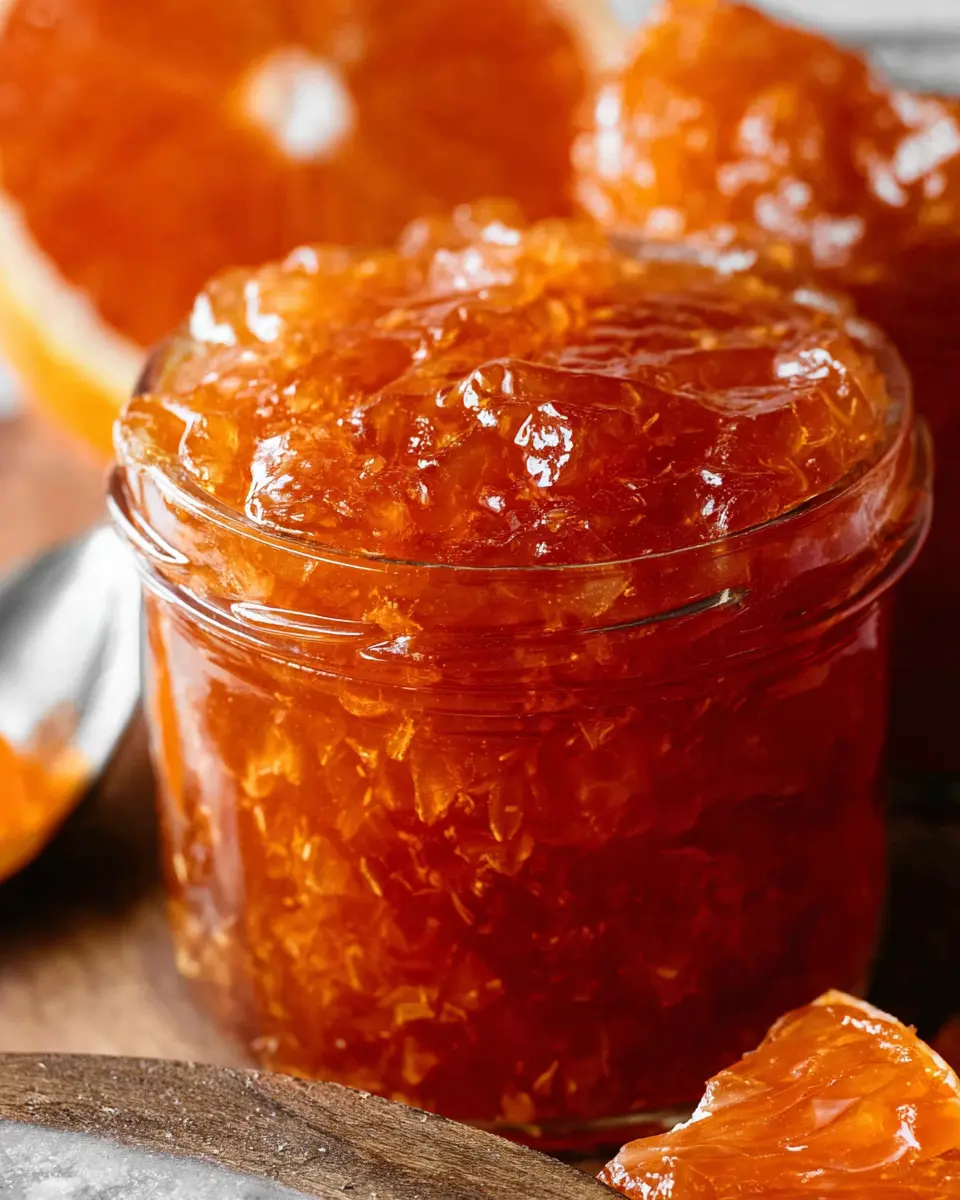
Serving suggestions for Orange Marmalade
Enjoying Marmalade on Toast and Bagels
There’s nothing quite like a generous spread of orange marmalade on warm, buttery toast or a freshly toasted bagel. The sweet, tangy flavors elevate your breakfast or snack to new heights. Pair it with a dollop of cream cheese for a deliciously creamy contrast, or add Turkey bacon for a savory twist. Feeling adventurous? Try a side of Greek yogurt topped with marmalade for a refreshing and nutritious start to your day.
Using Marmalade in Savory Dishes
Orange marmalade isn't just for breakfast; it can be a fantastic ingredient in savory recipes! Consider glazing beef or chicken with marmalade for a sweet, caramelized crust. You might also mix it into stir-fries for an unexpected burst of flavor or use it as a marinade base to achieve a delightful sweetness. The possibilities are endless! Plus, you can find more ideas on cooking with marmalade in articles from Serious Eats or BBC Good Food.
Time Breakdown for Orange Marmalade
Preparation Time
Getting ready to make your orange marmalade takes about 10 minutes. This includes washing, chopping, and pureeing the oranges and lemon. Make sure to have everything prepped, so you’re ready to dive into the cooking process!
Cooking Time
The magic happens during the 35 minutes of cooking time. You'll bring your orange mixture to a boil, then let it simmer until it thickens to that delightful gel-like consistency. Just be sure to stir often to prevent sticking!
Total Time
In just 45 minutes, you’ll have a batch of homemade orange marmalade. Perfect for enjoying with breakfast or adding a touch of sweetness to your savory dishes. Whether you're pairing it with turkey bacon or chicken, this marmalade is bound to impress!
For detailed cooking tips and more flavor variations, check out this guide to making marmalade. By the way, if you’re interested in preserving your marmalade, you might also want to look into helpful canning resources like this National Center for Home Food Preservation page.
Nutritional Facts for Orange Marmalade
Caloric Content
A typical serving of orange marmalade — about two tablespoons — contains around 50 calories. This makes it a delightful but modest indulgence, perfect for brightening your breakfast or dessert without overwhelming your calorie count.
Sugar and Fiber Amounts
In orange marmalade, you can expect to find approximately 12 grams of sugar per serving, a result of the natural sugars from the oranges and added granulated sugar. Interestingly, this flavorful spread also offers around 1 gram of dietary fiber, making it a slightly healthier option compared to other spreads.
For more detailed insights on the nutritional benefits of citrus fruits, check out resources like Nutrition.gov or Healthline.
FAQs about Orange Marmalade
How long does homemade orange marmalade last?
Once you've created your delicious homemade orange marmalade, it can be stored in the refrigerator for up to two weeks. If you're looking to prolong its shelf life, consider freezing it, where it can last for up to three months. Just be sure to use an airtight container to keep it fresh!
Can I reduce the sugar in the recipe?
While it might be tempting to cut back on sugar in your orange marmalade, doing so can affect its consistency and flavor. Sugar not only sweetens but also helps with preservation. If you're experimenting, try using half sugar and half a sugar substitute, but be aware that the marmalade may turn out a bit runnier. If you’re canning, stick to the full sugar amount to ensure proper setting.
What are the best ways to use orange marmalade?
Orange marmalade is wonderfully versatile! Here are some tasty ideas to get you started:
- Spread it on toast or bagels for a zesty breakfast.
- Use it as a glaze for beef or chicken dishes, adding a burst of flavor.
- Stir it into yogurt or overnight oats for a sweet twist.
- Incorporate it into marinades or salad dressings for a hint of citrus.
For more flavor inspiration, check out The Citrus Industry for creative recipes!
Conclusion on Orange Marmalade
Orange marmalade is a delightful spread that adds brightness to your breakfast or a tangy twist to savory dishes. With just a few simple ingredients and a little bit of time, you can create this homemade treasure. Try making a batch soon; your taste buds will thank you!
Orange Marmalade
Equipment
- food processor
- Mason Jars (Half-Pint)
Ingredients
- 2.0 to 2.3 pounds oranges about 4 medium
- 1 unit lemon zest and juice of
- ⅓ cup water
- 4 cups granulated sugar
Instructions
- Wash the oranges and lemon, thoroughly scrubbing the peels.
- Cut off the ends of the oranges. Cut the oranges in half, then cut each half into 4, so you’re left with 8 pieces of orange. Discard any seeds.
- Place the orange pieces in a food processor and pulse/chop until the rind is in very small pieces. Place a plate in the freezer, to help us test for doneness later.
- Add oranges to a large saucepan over medium heat. Zest the lemon into the pot and squeeze the juice from it, into the pot. Add water and the sugar and stir well.
- Bring mixture to a boil. Reduce heat to a low boil and simmer, stirring often, for 30-35 minutes until thickened. When done, it will slide off the spoon in sheets, not droplets, and a spoonful poured onto a cold plate should be a soft gel consistency that moves slightly.
- If after pouring onto a cold plate it’s thin and runs easily on the plate, it is not ready, so continue cooking.
- Pour into jars or containers with a lid. Allow to cool to room temperature, then store in the refrigerator for up to 2 weeks, or freeze for up to 3 months.

Leave a Reply