
Introduction to Gyro Meat
If you’ve ever indulged in a gyro sandwich from your favorite food truck or restaurant, you’ll understand the allure of this savory dish. But did you know that making homemade gyro meat can elevate your meals in ways you never imagined? It’s true! When you prepare gyro meat from scratch, you unlock a world of flavors and textures that are just not the same when you opt for pre-packaged options.
Why Homemade Gyro Meat is a Game-Changer?
Creating your own gyro meat is a gratifying experience. Here’s why:
-
Quality Control: You choose the freshest ingredients. Using high-quality ground lamb and beef ensures a hearty base for your gyro meat.
-
Customizable Flavors: Feel like experimenting? Adjust the seasonings like oregano and cumin to suit your taste.
-
Healthier Option: By making your gyro meat, you have a better handle on the fat content compared to store-bought alternatives. You can even explore using leaner meats or cutting back on oils.
-
Freshness Matters: The aroma that fills your kitchen as you cook can’t be matched. Freshly baked gyro meat can transform a simple wrap or salad into a gourmet experience.
Why not take the plunge? Check out this article for some grill tips that can complement your gyro meat perfectly!
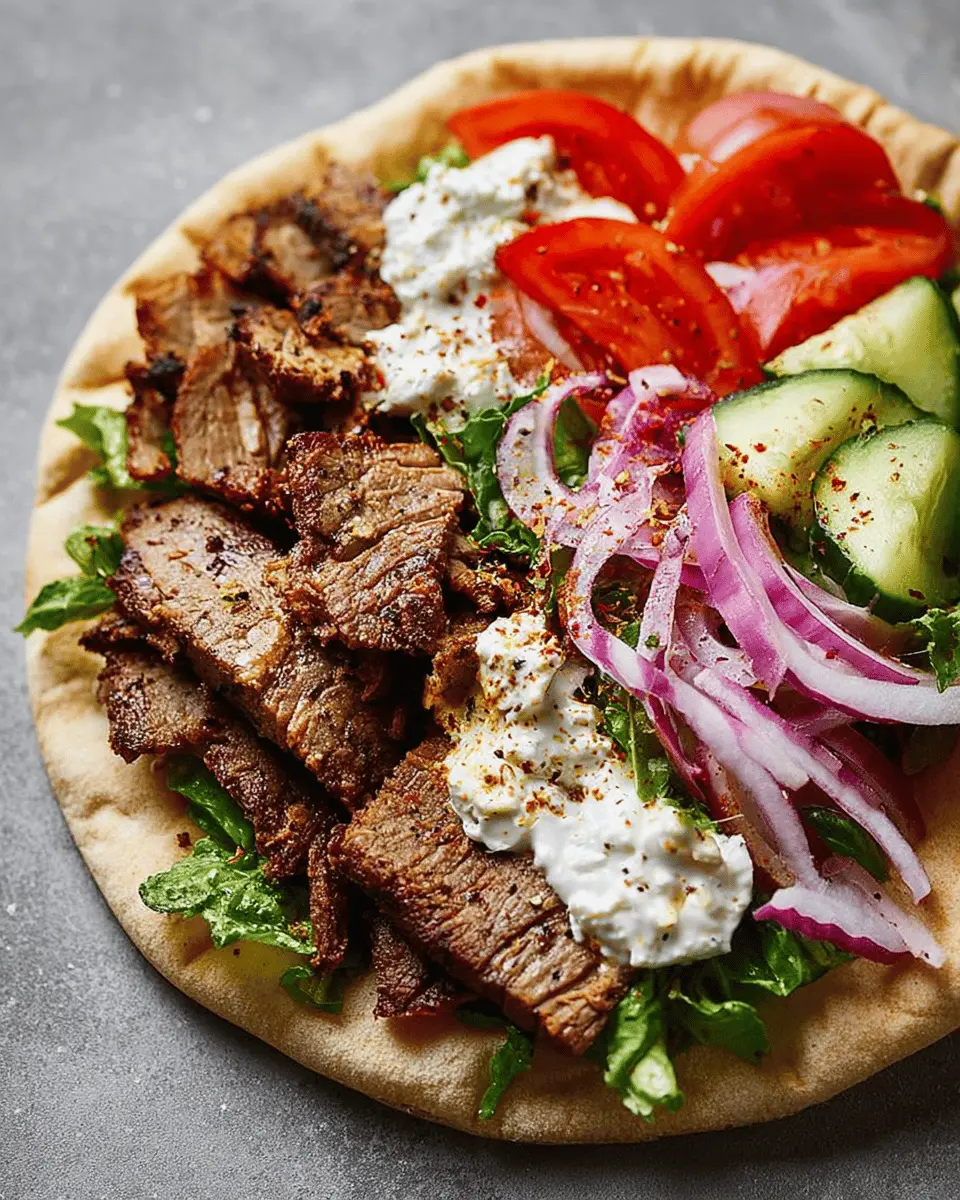
Ingredients for Gyro Meat
What you need for the perfect gyro
If you're dreaming of making gyro meat that captures the authentic flavors of a Greek taverna, you’ve come to the right place! The secret lies in a blend of quality ingredients that come together harmoniously. Here’s what you’ll need:
- ½ yellow onion, grated: This adds moisture and sweetness to your meat.
- 1 pound ground lamb: Provides that distinct, rich flavor synonymous with gyros.
- 1 pound 80/20 ground beef: The fat content lends juiciness and balance.
- 1 tablespoon minced garlic: Fresh garlic amplifies flavor.
- 1 tablespoon dried oregano: This herb is crucial for its aromatic qualities.
- 1 ½ teaspoons ground cumin: Adds warmth and depth.
- 1 ½ teaspoons garlic powder: For an extra garlic kick.
- 2 teaspoons ground thyme: Contributes a subtle earthiness.
- ½ tablespoon ground marjoram: Enhances the herbaceous profile.
- 1 teaspoon freshly cracked black pepper: For a touch of heat.
- 1 ½ teaspoons kosher salt: Essential for seasoning.
- 2 tablespoons extra-virgin olive oil: Helps keep the meat moist during cooking.
Ready to dive into this flavorful journey? Each ingredient plays a role in creating the luscious gyro meat you crave! If you're interested in more nuances regarding Greek spices, you might want to check out The Spruce Eats for additional information.
Step-by-step preparation of Gyro Meat
Creating delicious gyro meat at home is easier than you might think, and it's a fantastic addition to your culinary repertoire. Let’s dive into the steps for making this savory dish!
Prepare the onions and meat mixture
First things first, let’s handle our main players: the onions and the meat. Start by grating ½ a yellow onion—this will add moisture and flavor to your gyro meat. Once grated, place the onion in a clean kitchen towel and wring it out to remove excess moisture. This step is crucial; too much liquid can make your meat loaf fall apart.
In a large bowl, combine the drained onion with 1 pound of ground lamb and 1 pound of 80/20 ground beef. To spice things up, add 1 tablespoon of minced garlic, 1 tablespoon of dried oregano, 1 ½ teaspoons of ground cumin, 1 ½ teaspoons of garlic powder, 2 teaspoons of ground thyme, ½ tablespoon of ground marjoram, 1 teaspoon of freshly cracked black pepper, and 1 ½ teaspoons of kosher salt. Drizzle in 2 tablespoons of extra-virgin olive oil for richness. Mix everything well with wet hands; the moisture will help bind the ingredients together.
Create the gyro meat paste
Next, we’re going to turn that mixture into a cohesive paste. Transfer the meat mixture into the base of a food processor and pulse for about two minutes until it resembles a smooth paste. This step is essential for achieving that classic gyro texture—smooth, yet firm enough to hold its shape when cooked. If you’re curious about why blending the meat works so well, experts note that this method breaks down the proteins, which helps with binding and creates a tender bite.
Shape and bake the gyro meat
Once you have your paste, it's time to give it shape. Firmly press the mixture into a 9x5-inch loaf pan. This will help it keep its form during baking. Preheat your oven to 350°F with a rack in the center position, and then pop that pan in the oven. Bake it for about 50-60 minutes or until the internal temperature reaches 165°F on an instant-read thermometer. The meat should be quite firm, with a lovely golden-brown crust forming on the outside.
Check for doneness
Using a meat thermometer is the most reliable way to ensure your gyro meat is done. Insert the thermometer into the thickest part of the meat; a reading of 165°F means it’s perfectly cooked. If you don’t have a meat thermometer handy, you can also check the texture. The meat should bounce back slightly when pressed and feel firm overall.
Cool and slice the gyro meat
After removing the pan from the oven, let the gyro meat cool for 20-30 minutes. Patience is key here; cooling allows the juices to redistribute, which keeps the meat moist. Once cooled, slice the gyro meat thinly using a sharp knife. Want extra crispy gyro meat? Heat a little reserved pan juices in a skillet over medium heat and fry the meat slices until they’re crispy.
Now, you're ready to serve your homemade gyro meat! Pair it with pita bread, a fresh salad, or tzatziki sauce for a delightful meal. Enjoy!
For more tips on preparing meats, check out resources like the USDA's Meat and Poultry Guidelines or explore recipes on Serious Eats for inspiration.
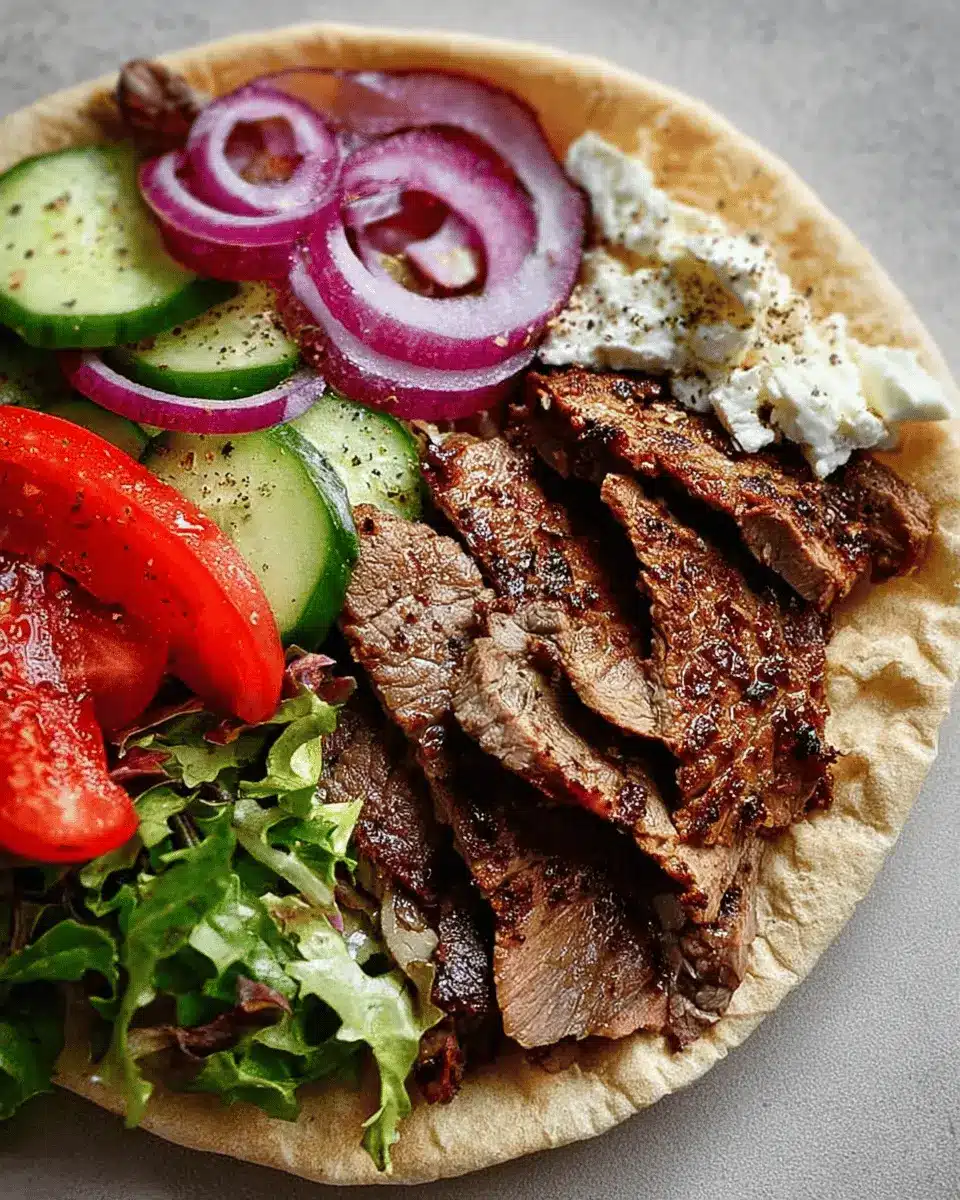
Variations on Gyro Meat
Lamb and Beef Combination Variations
While the classic gyro meat recipe often features a delightful blend of ground lamb and beef, you can explore exciting alternatives! For a leaner option, try using ground chicken or turkey, which can provide a lighter flavor profile. Mixing in some turkey bacon can add a smoky twist without overwhelming the gyro’s traditional essence. If you prefer a richer decadence, consider a combination of lamb and pork for a juicy treat.
Alternative Spices and Flavor Profiles
Spices open a world of possibilities for your gyro meat. Beyond the usual oregano and cumin, experiment with:
- Smoked paprika for a subtle smokiness
- Cinnamon for unexpected warmth
- Chili flakes for a kick of heat
A touch of fresh herbs like parsley or dill can also brighten the overall flavor. You may also want to play around with Mediterranean spice blends to tailor the profile to your taste. What flavors resonate with you? Remember, every adaptation tells your story, so make it uniquely yours!
For additional spice suggestions and flavor variations, consult reputable sources like Serious Eats or The Spice House for inspiration.
Cooking Tips and Notes for Gyro Meat
Achieving That Crispy Texture
To get that ultimate crispy texture for your gyro meat, don’t skip the last step! After baking, heat reserved pan juices in a skillet over medium heat. Fry the sliced gyro meat for a few minutes on each side until they develop a delectable crispiness that adds an irresistible crunch. This extra touch will elevate your gyro sandwiches and platters!
Storing and Reheating Gyro Meat
If you've made a big batch of gyro meat, no worries! You can store leftovers in an airtight container in the fridge for up to four days. When it comes to reheating, slice the meat and warm it in a skillet over medium heat or a microwave. A quick pan fry works wonders in reviving that savory flavor and delightful texture. For more tips on storing meats, check out The USDA's guidelines on meat storage.
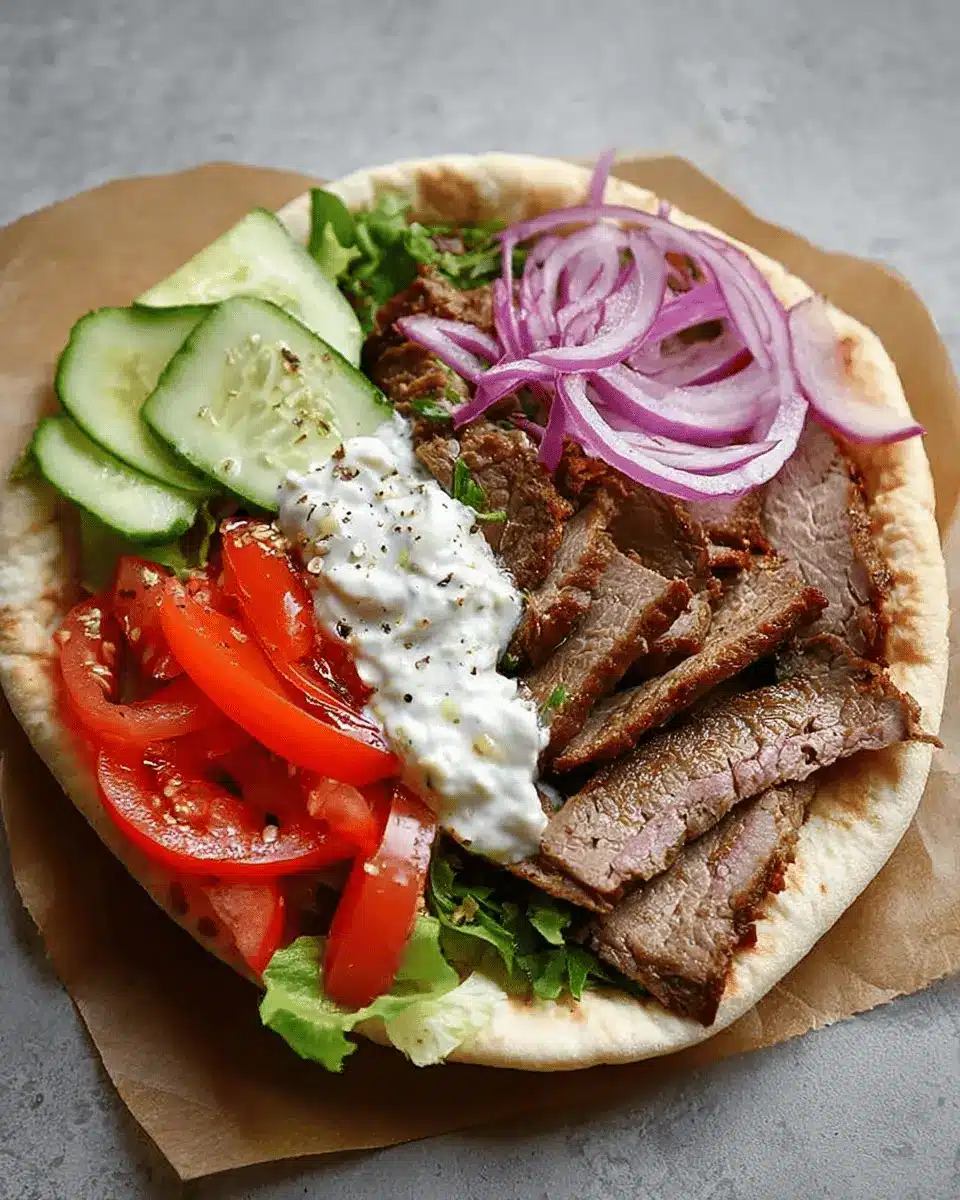
Serving suggestions for Gyro Meat
Classic gyro sandwich assembly
Creating the perfect gyro sandwich is an art! Start with warm, fluffy pita bread as your base. Layer in slices of gyro meat, add a generous portion of fresh, crunchy lettuce, ripe tomatoes, and red onions for a burst of flavor. Don’t forget a dollop of tangy tzatziki sauce, which beautifully complements the savory meat. For an extra kick, consider a sprinkle of feta cheese or olives—who can resist that?
Serving with sides and sauces
For a full meal experience, pair your gyro meat with sides that will elevate your dish. Think crispy fries or a Greek salad—a refreshing mix of cucumbers, cherry tomatoes, and olives. Serve additional sauces on the side, like spicy harissa or creamy feta dip. You can explore more about pairing options on well-regarded culinary websites like Serious Eats or Food Network for inspiration. Enjoy your meal!
Time Breakdown for Gyro Meat
Preparation Time
To kick things off, you’ll spend about 20 minutes preparing the ingredients for your gyro meat. This includes grating the onion, mixing the meats, and seasoning them to perfection. It’s a quick process that sets the stage for delicious flavors.
Cooking Time
Once your gyro meat is prepped, it’s time to cook! The cooking time takes approximately 1 hour in the oven. This allows the meat to develop that irresistible texture and rich flavor.
Total Time
In total, you're looking at about 1 hour and 20 minutes from start to finish. This includes both prep and cooking time, giving you ample opportunity to whip up a delightful meal. Plus, the wait is totally worth it when you enjoy that first bite of homemade gyro meat!
For more tips on flavor enhancement, check out sources like Bon Appétit or Serious Eats for culinary insights that can elevate your dishes.
Nutritional Facts for Gyro Meat
Calories per serving
A typical serving of gyro meat contains about 300 calories, making it a delicious yet moderate choice for your meal. When enjoyed with fresh vegetables or in pita bread, it’s a satisfying option that won't derail your dietary goals.
Protein content
You'll be pleased to know that gyro meat packs a hefty protein punch, with approximately 25 grams of protein per serving. Ideal for those looking to increase their protein intake, this dish can help you build and repair muscles while keeping you full and energized.
Sodium levels
However, it’s essential to be mindful of the sodium content in gyro meat, which can be around 800 milligrams per serving. While seasoning is key to delicious flavor, consider balancing your meal with low-sodium sides to keep your sodium intake in check. For more insights on sodium recommendations, check resources like the American Heart Association.
Are you ready to savor homemade gyro meat? With these nutritional facts in mind, you can enjoy this Mediterranean delight while being conscious of your health!
FAQs about Gyro Meat
What is the best meat for gyro?
When it comes to gyo meat, you can't go wrong with a combination of ground lamb and beef. This mix not only enhances the flavor but also adds to the juiciness and texture that are key to making great gyros. Lamb is traditional, but if you're looking for a leaner option, you could use all beef or even turkey bacon for a twist!
Can I make gyro meat in advance?
Absolutely! Making gyro meat ahead of time is a fantastic idea, especially if you're prepping for a gathering. Simply prepare the meat mixture, shape it into a loaf, and cook it as per the recipe. Once it's cooled, store it in the fridge for up to three days or freeze it for up to three months. Just remember to use airtight containers for best results.
How do I store leftover gyro meat?
To keep your leftover gyro meat fresh, let it cool completely before placing it in an airtight container. It can be stored in the fridge for up to three days or in the freezer for several months. For reheating, consider using a skillet to achieve that crispy texture again. Enjoy your gyros any day of the week! For more tips, check out FoodSafety.gov for storage and reheating guidelines.
Conclusion on Gyro Meat
When you taste homemade gyro meat, you'll quickly wonder why you ever settled for fast food. The juicy blend of lamb and beef, enhanced by aromatic spices, is simply unparalleled. Not only is it a delicious treat, but it’s also healthier and more satisfying. Give it a try!
Why You’ll Never Want Fast Food Again!
Opting for homemade gyro meat puts you in control of quality and flavors. Here are a few reasons you'll leave fast food behind:
- Quality Ingredients: You know what’s in your food—no mystery meats or extra preservatives here!
- Flavor Explosion: The rich taste and spices in gyro meat elevate your meal beyond typical fast food fare.
- Customizable: Make it your own! Adjust spices and toppings to create an array of delicious gyro styles.
Once you master this recipe, you’ll be the go-to for gatherings, and your friends will appreciate the effort. Plus, with each flavorful slice, you’ll be reminded of why homemade is best—you simply can’t beat the taste!
For more delicious recipes and cooking tips, consider checking out sites like AllRecipes or Serious Eats. Happy cooking!
Gyro Meat
Equipment
- oven
- large bowl
- food processor
- loaf pan
- kitchen towel
Ingredients
Gyro Meat Ingredients
- 0.5 whole yellow onion, grated
- 1 pound ground lamb
- 1 pound 80/20 ground beef
- 1 tablespoon minced garlic
- 1 tablespoon dried oregano
- 1.5 teaspoons ground cumin
- 1.5 teaspoons garlic powder
- 2 teaspoons ground thyme
- 0.5 tablespoon ground marjoram
- 1 teaspoon freshly cracked black pepper
- 1.5 teaspoons kosher salt
- 2 tablespoons extra-virgin olive oil
Instructions
Preparation Steps
- Preheat the oven to 350°F with a rack in the center position.
- Place the onion in the center of a clean kitchen towel and wring it out.
- Transfer the onion to a large bowl and add the lamb, beef, minced garlic, oregano, cumin, garlic powder, thyme, salt, pepper, and olive oil. Mix well with wet hands.
- Transfer the meat mixture to the base of a food processor and pulse until a paste forms, about 2 minutes.
- Press the meat mixture firmly into a 9x5-inch loaf pan.
- Bake until the internal temperature reaches 165°F on an instant-read thermometer, about 50-60 minutes.
- Let the meat cool for 20-30 minutes, then slice very thinly.



Leave a Reply