
Introduction to Pan Sauce Recipe
Why a Pan Sauce is the Perfect Finish for Homemade Meals
When it comes to elevating your homemade meals, a pan sauce is truly a secret weapon in the kitchen. Imagine just finishing off a perfectly seared piece of chicken or steak, and then transforming that same pan into a flavor-packed sauce that ties the whole dish together. It’s like a present that keeps on giving!
A pan sauce recipe is not only quick and easy but also allows you to utilize all those delicious browned bits left in the skillet, known as fond. This is where the magic happens! By deglazing the pan with a flavorful liquid—like broth or even water—you'll create a sumptuous sauce that enhances any dish. Plus, it’s incredibly versatile and can be adjusted to suit your taste. Want a hint of herbaceous freshness? Toss in some thyme or rosemary. Craving a bit of richness? A pat of butter finishes it beautifully, making every bite a cozy delight.
Whether you’re a busy professional looking to impress guests or just want to whip up a comforting dinner for yourself, adding a homemade pan sauce can elevate any meal without demanding hours of your time. Once you master this technique, you'll wonder how you ever cooked without it!

Ingredients for Pan Sauce
Essential ingredients for a delicious pan sauce
Creating a delectable pan sauce recipe starts with a few key ingredients that help ensure maximum flavor. The essentials you’ll need include:
- Olive oil (1 tablespoon): This provides the fat to sauté your aromatics and helps create a rich base.
- Shallot (1, finely diced): Shallots impart a mild onion flavor and add a hint of sweetness.
- Liquid (½ cup): Choose from vegetable or chicken broth, or even water, depending on your dietary needs or what you have on hand.
- Butter (1 tablespoon): This enriches the sauce and adds a luxurious finish.
- Seasoning: Don’t forget salt and pepper to taste!
Optional ingredients to elevate your sauce
While the basic components are fantastic, there are several optional ingredients you can use to elevate your pan sauce further:
- Fresh herbs: Chopped thyme, sage, or rosemary can add fresh flavors.
- Vinegar or lemon juice: Just a splash at the end can brighten up the sauce.
- Soy sauce: A drop can add depth and umami richness.
- Heavy cream: For a creamy variation, whisk in some cream at the end.
Feel free to mix and match based on your taste preferences or what you have on hand. The beauty of a pan sauce is its flexibility!
Step-by-step Preparation of Pan Sauce
Creating a splendid pan sauce is your ticket to elevating any meal, whether you're serving up beef, chicken, or even grilled vegetables. The process is straightforward, and I’m here to walk you through it step by step. Let’s dive in!
Prepare your skillet
To kick off your pan sauce recipe, grab a trusty skillet—preferably the same one you just used to sear your main dish. This is key because you want to harness all those flavorful brown bits left clinging to the pan, often referred to as the “fond.” Set your skillet over medium heat. If there’s excess fat, feel free to drain some, but don’t go wiping it down completely. Those remnants are flavor gold!
Sauté the aromatics
Once your skillet is heated, toss in your finely diced shallots. The aroma will be unbeatable! If there aren't any shallots on hand, consider using finely chopped onions or even garlic for a different twist. Add just enough olive oil to allow those shallots to sauté beautifully. Stir them frequently over medium heat until they turn golden and aromatic. If you're feeling adventurous, throw in some fresh herbs like thyme or rosemary at this point to boost the flavor even more.
Deglaze to capture flavors
With your shallots nicely sautéed, it’s time for the deglazing magic. Pour in about half a cup of your chosen liquid—options like broth or water work wonders here. Bring it to a gentle simmer. This step is crucial as it allows you to scrape up all that delicious fond from the bottom of the pan. Use a wooden spoon or spatula to ensure you're capturing every bit of flavor. Let the liquid simmer until it reduces by half; this intensifies the taste and gives your pan sauce that signature richness.
Incorporate the richness
It’s time to add a touch of luxury! Lower the heat and whisk in a tablespoon of butter until completely melted and incorporated. This not only adds a silky texture to your sauce but also enhances the flavor, making it utterly divine. A buttered sauce is simply unmatched! If you’re keeping it vegan, feel free to substitute with your favorite plant-based butter.
Season to taste
Before serving, remember the all-important step of seasoning. Taste your sauce and add salt and pepper accordingly. If you've opted for water during deglazing, a splash of soy sauce can give it that extra depth. Want a little acidity? A small squeeze of lemon juice can work wonders. This simple yet crucial step will elevate your sauce from good to extraordinary!
By following these steps, you'll create a mouthwatering pan sauce that brilliantly complements your dish every time. Enjoy this culinary journey, and watch your meals transform!
Variations on Pan Sauce
Classic Herb Pan Sauce
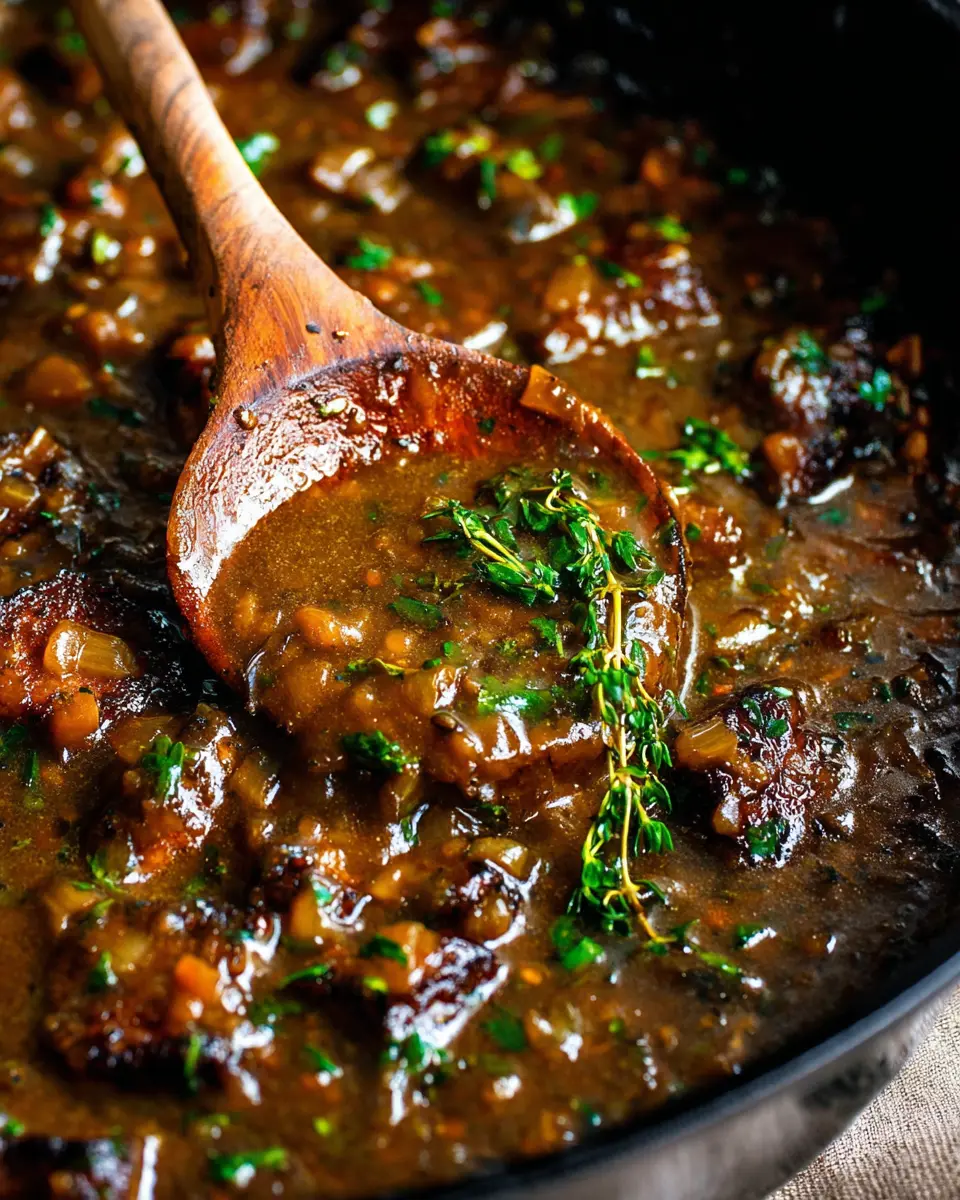
Take your pan sauce recipe to the next level by incorporating fresh herbs like thyme, rosemary, or parsley. Simply add a handful during the deglazing stage for a vibrant flavor boost. These herbs add not only depth but also a refreshing brightness that complements meats beautifully. This approach harmonizes well with roasted chicken or beef, making your dishes even more memorable.
Mushroom-Infused Pan Sauce
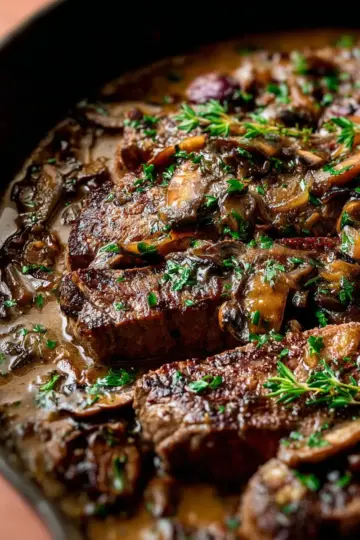
If you're a fan of umami, consider a mushroom-infused pan sauce! Sauté finely chopped mushrooms alongside the shallots until they're golden and tender. This earthy addition enriches the sauce with a savory complexity that's fantastic for steak or chicken dishes. You can also experiment with different mushroom varieties, such as shiitake or cremini, to find the flavor that excites your palate.
These simple variations allow you to customize your pan sauce every time, ensuring a delightful dining experience! For more ideas on enhancing your sauces, check out Bon Appétit.
Cooking Tips and Notes for Pan Sauce
Techniques for perfecting your pan sauce
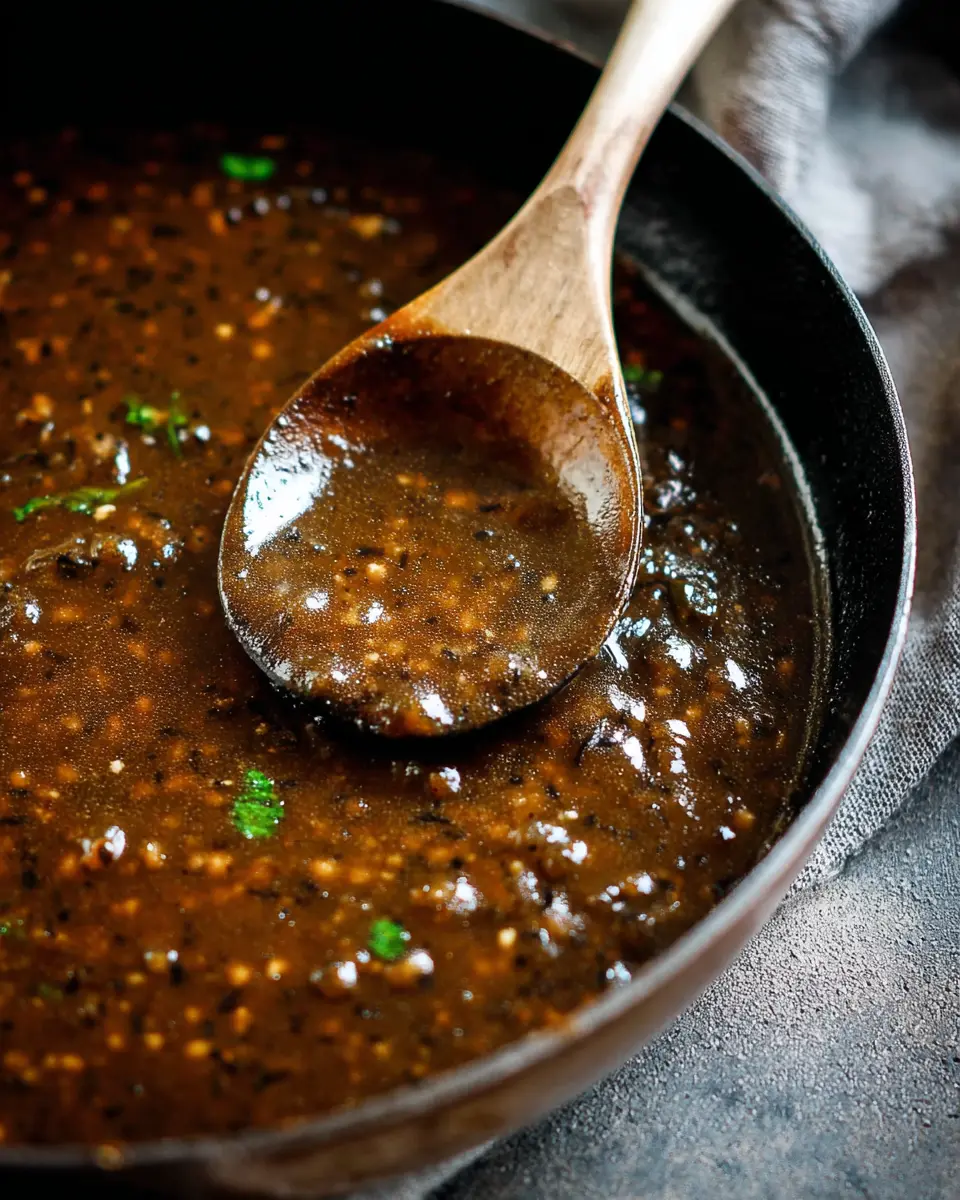
Creating a delicious pan sauce is all about technique. Start by using the same skillet where you cooked your meat or vegetables. The fond—those little browned bits—adds incredible flavor. Make sure to sauté your aromatics, like shallots, until they’re golden to build that foundational sweetness. When deglazing, use broth instead of wine for a similar depth. Remember to whisk in butter at a low heat for a silky finish. Fresh herbs like thyme or parsley can elevate your sauce further; add them for an aromatic twist.
Troubleshooting common issues
Pan sauces can sometimes be finicky. If your sauce tastes bland, a pinch of salt or a splash of soy sauce can do wonders. Over-reduced sauce? Just whisk in a little water over low heat to bring it back. Should the sauce break, that’s typically a result of high heat. Simply heat gently while whisking in a small amount of cold water or broth. Don’t be afraid to experiment—finding your unique flavor profile can make your pan sauce recipe your own!
Serving Suggestions for Pan Sauce
Best dishes to pair with your pan sauce
If you're wondering how to elevate your meals, your pan sauce recipe is about to become your best friend! This luscious sauce complements a variety of proteins and vegetables, making it incredibly versatile. Here are some classic pairings to get you started:
- Grilled chicken breasts or thighs
- Seared beef steaks or pork chops
- Pan-fried fish fillets like salmon or cod
- Sautéed mushrooms for a delightful vegetarian option
- Roasted vegetables such as Brussels sprouts or carrots
Creative serving ideas
Get creative with your pan sauce! Here are some fun ways to whip up excitement in your meals:
- Drizzle over a warm grain bowl for added flavor and moisture.
- Use it as a dipping sauce for crusty bread instead of traditional oils.
- Toss it with cooked pasta for a quick yet sophisticated dish.
- Enhance your favorite pizza by spooning it over the slices before serving.
With these ideas, your pan sauce will take center stage at the dinner table!
Time Breakdown for Pan Sauce
Preparation Time
Prep time for your delicious pan sauce is just 5 minutes. It’s a quick, easy process, allowing you to get everything ready while your main dish cooks. Chop up your shallots, gather your ingredients, and you’re good to go!
Cooking Time
Once you’ve prepped, the cooking time is a mere 10 minutes. This step includes sautéing the aromatics and deglazing the pan—making sure to scrape up all those flavorful browned bits.
Total Time
In just 15 minutes, you can whip up a flavorful pan sauce to elevate your meal. It’s a simple yet effective way to add depth and richness, making your dinner feel gourmet without the fuss.
By using your skillet wisely, you not only save time but also create a sauce that’s packed with flavor. If you’re curious about more quick recipes, feel free to check out Feasting at Home for very inspiring ideas!
Nutritional Facts for Pan Sauce
Calories per serving
Each serving of this pan sauce recipe contains approximately 57 calories, making it a light and flavorful addition to your meals without overwhelming your diet.
Key nutritional components
This versatile sauce packs essential nutrients, balancing flavor with nutrition:
- Fat: 6.4 g (mostly unsaturated)
- Saturated Fat: 2.3 g
- Sugars: 0.2 g
- Sodium: 1 mg
- Cholesterol: 7.6 mg
Having a nutritious sauce handy transforms any dish, adding richness without excessive calories. The use of broth or water keeps it light, while a hint of butter gives it a silky finish. It's perfect for young professionals looking to enhance their cooking with minimal effort. For more insights on healthy eating, check out Harvard Health.
FAQs about Pan Sauce
Can I make this sauce vegan?
Absolutely! To create a vegan pan sauce, simply substitute the traditional butter with a plant-based option. You can use vegan butter or olive oil for a lighter touch. Additionally, make sure to replace the broth with veggie broth for that rich, savory depth. This way, you're not only crafting a delicious sauce but also keeping it aligned with your dietary preferences.
What can I use if I don’t have broth?
If you're out of broth, don't worry! Water can work in a pinch; just make sure to enhance the flavor with a splash of soy sauce or a dash of seasoning. You might also try using vegetable bouillon cubes dissolved in water to elevate the taste. Experimenting with these alternatives can lead to some surprisingly tasty results—who knew a simple pan sauce recipe could be so versatile?
How do I store leftover pan sauce?
Leftover pan sauce is a precious resource! Store it in an airtight container in the refrigerator for up to 3 days. Reheat gently on the stove or in the microwave, adding a splash of water or broth to restore its lovely consistency if it thickens. Trust me, you'll be glad you saved it for your next meal!
Conclusion on Pan Sauce Recipe
In summary, mastering the pan sauce recipe enriches any meal, transforming simple proteins and veggies into gourmet delights. With just a few ingredients and easy steps, you'll impress your friends and family. Don't hesitate to experiment with flavors—your taste buds will thank you! Enjoy creating!
Pan Sauce Recipe
Equipment
- skillet
Ingredients
Basic Ingredients
- 1 tablespoon olive oil preferably extra virgin
- 1 medium shallot finely diced (about 3-4 tablespoons)
- 0.5 cup liquid broth, white wine, or water
- 1 tablespoon butter
- salt to taste
- pepper to taste
- optional herbs thyme, Italian parsley, sage, rosemary
Instructions
Cooking Instructions
- Heat a skillet (preferably the same skillet you used to sear the meat or veggies). Remove excess fat if necessary, but keep the browned bits (fond).
- Add the shallots and just enough olive oil to sauté them. Sauté over medium heat, stirring often, until golden. Toss in herbs if using.
- Add the liquid, and bring to a simmer, scraping up any browned bits. Reduce by half.
- Whisk in the butter, lowering the heat to low. Once incorporated, turn off the heat.
- Adjust salt and pepper to taste. If water is used, add a couple of drops of soy sauce for depth. To add acidity, include 1-2 drops of vinegar or lemon juice.



Leave a Reply