
Introduction to Mongolian Noodles
What are Mongolian Noodles?
If you’re looking for a quick yet satisfying meal that bursts with flavor, you’ve come to the right place! Mongolian noodles are a delightful blend of tender noodles, protein, and vibrant vegetables, making them a hit among busy professionals who want to eat something delicious without spending hours in the kitchen. Though they carry the name "Mongolian," the dish embraces a fusion of Asian influences, primarily drawing from Chinese cuisine.
Typically made with various proteins like ground beef, chicken, or even turkey, Mongolian noodles showcase colorful veggies like bell peppers, snap peas, and carrots, all tossed together in a bold sauce that sets your taste buds tingling. The texture is a delightful combination of chewy noodles and crunchy vegetables, offering an enjoyable contrast with every bite.
In just about 30 minutes, you can whip up a meal that serves six—a perfect option for meal prepping or hosting friends. Plus, it’s easily customizable! You can swap out proteins or incorporate your favorite veggies to suit your palate. For a deeper dive into the world of Chinese noodle dishes, check out this article from Serious Eats, which delves into the history and varieties of noodles across different regions. Now, let’s jump into the heart of the recipe!
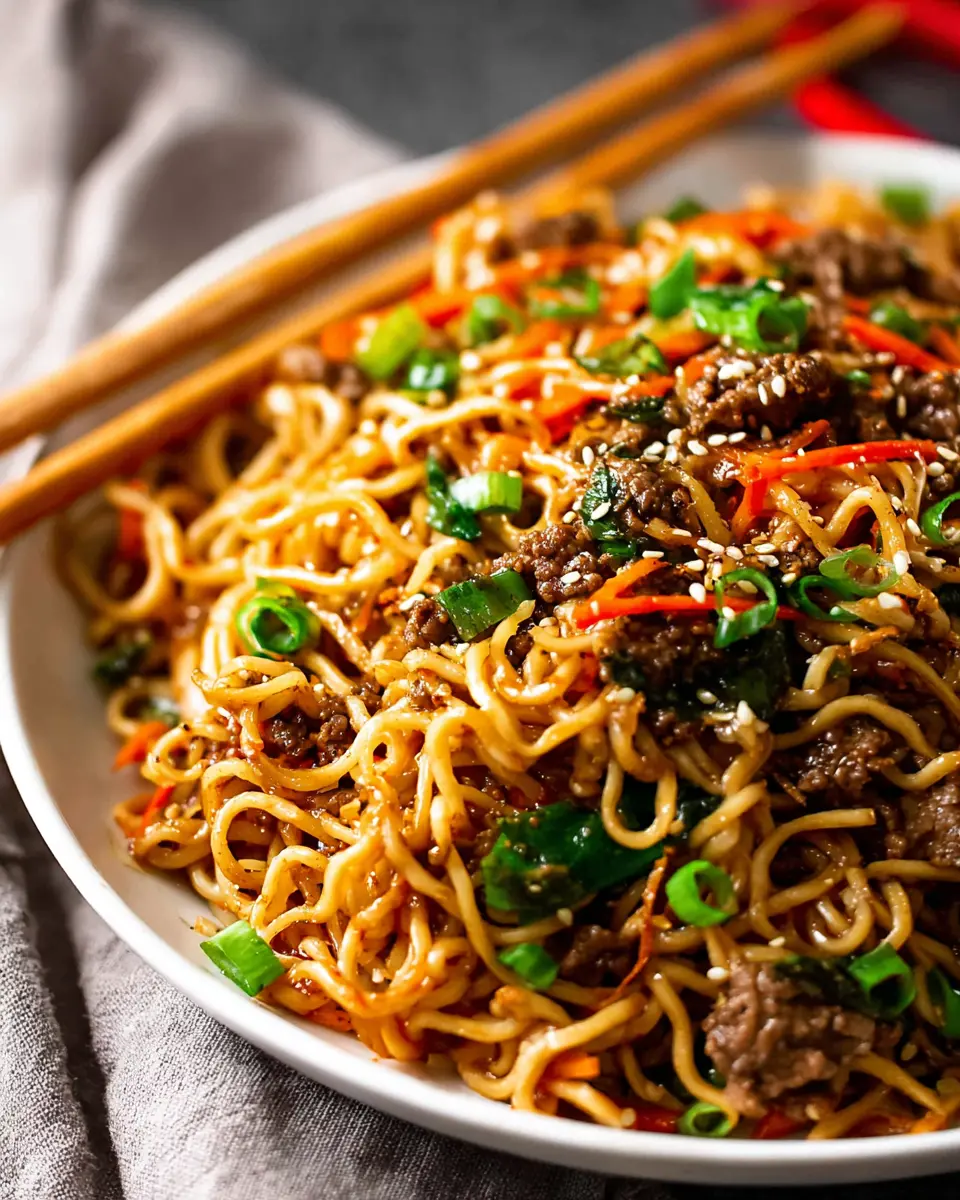
Ingredients for Mongolian Noodles
Cooking up a delicious plate of Mongolian noodles doesn't have to be complicated! Here, I break down the essential ingredients you'll need to create this flavorful dish, plus some optional items for those looking to put their own spin on it.
Essential Ingredients
To whip up your own batch of Mongolian noodles, start with these must-have components:
- 16 oz ramen noodles: The base of your dish, adding texture and heartiness.
- 2 lb ground beef, turkey, or chicken: For that rich protein kick.
- Salt and pepper: Season to taste, ensuring your dish is perfectly balanced.
- Fresh vegetables: You’ll need grated carrot, diced red bell pepper, and halved snap peas for a burst of color and nutrients.
- Garlic and green onions: Essential for depth of flavor.
Optional Ingredients for Customization
Feel free to personalize your Mongolian noodles with these extras:
- Vegetables: Add bell peppers, broccoli, or even bok choy for diverse textures.
- Protein variations: Try tofu or shrimp as a meat-free alternative.
- Spices and sauces: Boost the heat with extra crushed red pepper flakes or explore different sauces like teriyaki or chili garlic for a unique twist.
With these ingredients in hand, you're all set to create a satisfying meal that can easily become a weeknight favorite! For more tips on how to enhance your dish, check out this guide on ingredient variations.
Step-by-step preparation of Mongolian Noodles
Making Mongolian Noodles is a delightful journey that allows you to infuse bold flavors into your dish, all within about 30 minutes! Let’s dive into the preparation process where every step counts.
Gather your kitchen equipment
Before diving into the recipe, a little preparation goes a long way. Make sure you have the following kitchen tools on hand:
- Wok (optional but great for stir-frying)
- 12-inch skillet or pan
- Cutting board and knife
- Mixing bowl
- Measuring cups and spoons
- Spoon or spatula for stirring
Having your equipment ready ensures a smooth cooking experience. Plus, it makes your kitchen look organized and keeps you focused on the delicious Mongolian Noodles at hand.
Prepare the noodles
Start by cooking 16 ounces of ramen noodles according to the package instructions. Typically, this involves boiling water, adding the noodles, and letting them cook for about 3–5 minutes until they're al dente. Drain the noodles and set them aside. It's a simple step but vital—trust me, no one wants mushy noodles in their dish!
Mix the flavorful sauce
While your noodles are cooking, let’s whip up a sauce that’s bursting with flavor. In a mixing bowl, combine:
- ½ cup low sodium soy sauce
- ½ cup hoisin sauce
- ¼ cup water
- 2 teaspoons cornstarch
- 2 teaspoons minced ginger
- 1 tablespoon honey
- 2 teaspoons sesame oil
- ¼ teaspoon crushed red pepper flakes
Whisk these ingredients together until smooth. This sauce is the heart of your Mongolian Noodles, enhancing every bite with that perfect balance of sweet, salty, and spicy!
Cook the protein
Next up is the protein. Choose between ground beef, turkey, or chicken—whichever you prefer! In your skillet or wok, season 2 pounds of your chosen meat with salt and pepper. Cook over medium heat, breaking it into smaller pieces as it browns. Depending on your chosen protein, this should take about 6-8 minutes. Once it’s nicely seared, push it to one side of the pan. If you've got excess grease, don’t forget to remove that to keep the dish from turning soggy.
Add the veggies
Now it's veggie time! Add grated carrot, diced red bell pepper, and halved snap peas (about 1 ½ cups total), sautéing for about 2-3 minutes. Remember those green onions? Toss in the white parts along with minced garlic and give it a good stir. These colorful veggies not only add nutrients but also bring a vibrant crunch to your Mongolian Noodles.
Combine everything
The final step is to bring it all together. Add the cooked noodles to your skillet along with the prepared sauce. Toss everything well so that all components are coated in that tasty sauce. Finish off by garnishing with the green parts of the green onions for a pop of fresh flavor.
Now you’re all set to serve your delicious Mongolian Noodles. It's a quick and satisfying meal that’s sure to impress!
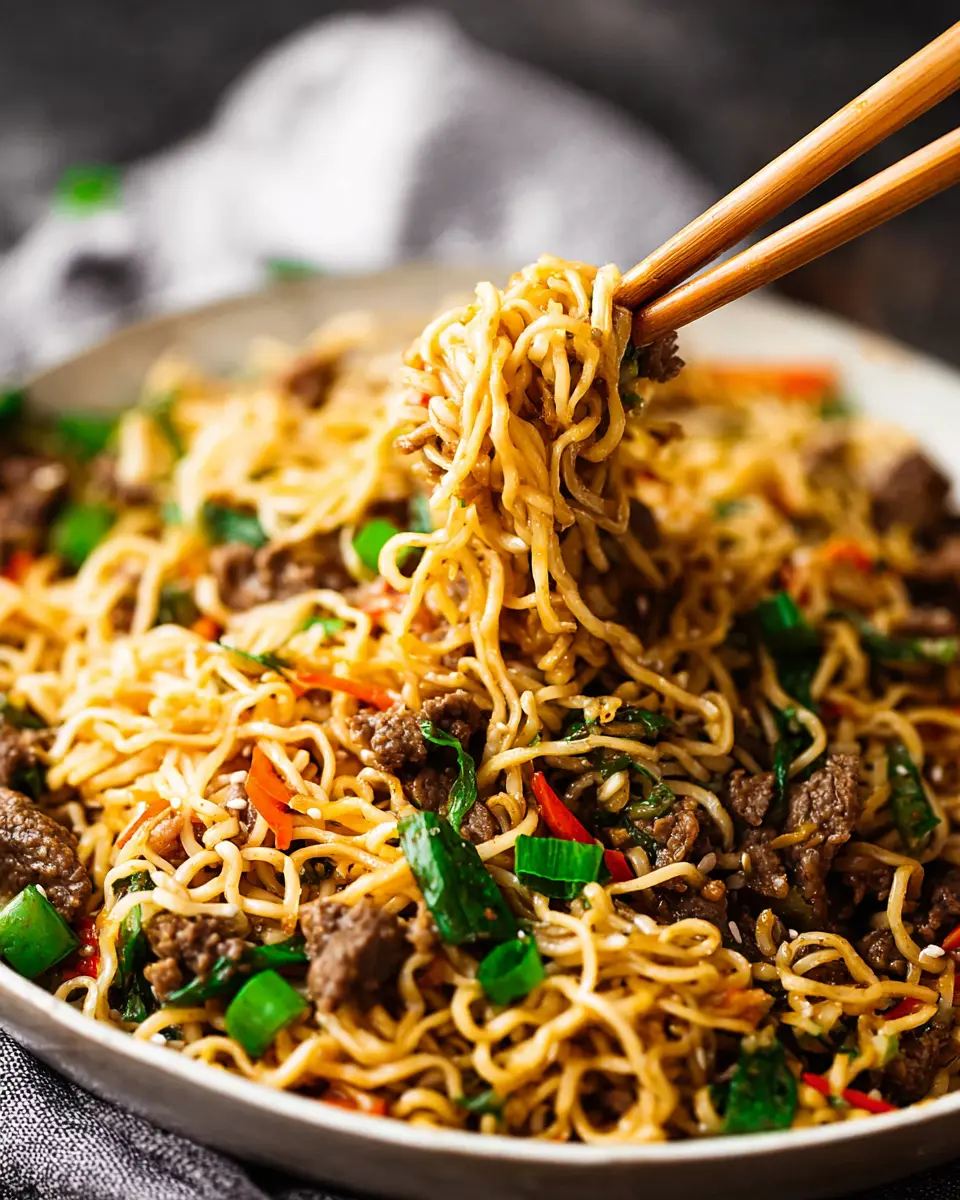
Variations on Mongolian Noodles
Vegetarian Mongolian Noodles
If you're looking for a plant-based twist on Mongolian noodles, substituting meat with hearty vegetables is a delicious option! Try using tofu or tempeh for protein, and load up on colorful veggies like bell peppers, carrots, and broccoli. Toss them in the same bold sauce, and you'll have a satisfying meal that doesn’t compromise on flavor.
Spicy Mongolian Noodles
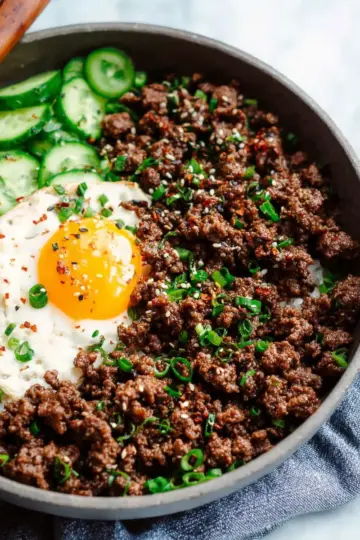
For heat lovers, spice up your Mongolian noodles by adding fresh chili peppers or a splash of Sriracha to the sauce. You can also incorporate crushed red pepper flakes for that extra kick! Spice level is adjustable, so taste as you go to achieve your desired warmth. This fiery version pairs perfectly with a cool cucumber salad for balance.
Feel free to mix and match these variations to suit your palate!
Cooking Tips and Notes for Mongolian Noodles
Ingredient Substitutions
Feel free to customize your Mongolian noodles with alternative ingredients! Instead of ground beef, try ground turkey or even tofu for a vegetarian option. For the vegetables, snap peas can be replaced with broccoli or bell peppers—whatever you have on hand. Low-sodium soy sauce is great for health-conscious cooks, but coconut aminos work well, too.
Adjusting Spice Levels
If you're sensitive to spice, start with less crushed red pepper flakes, gradually adding more to taste. For heat lovers, consider topping your dish with sliced jalapeños or a drizzle of sriracha. Cooking is all about finding the right balance, so make it your own!
Check out this article for more tips on cooking adjustments.
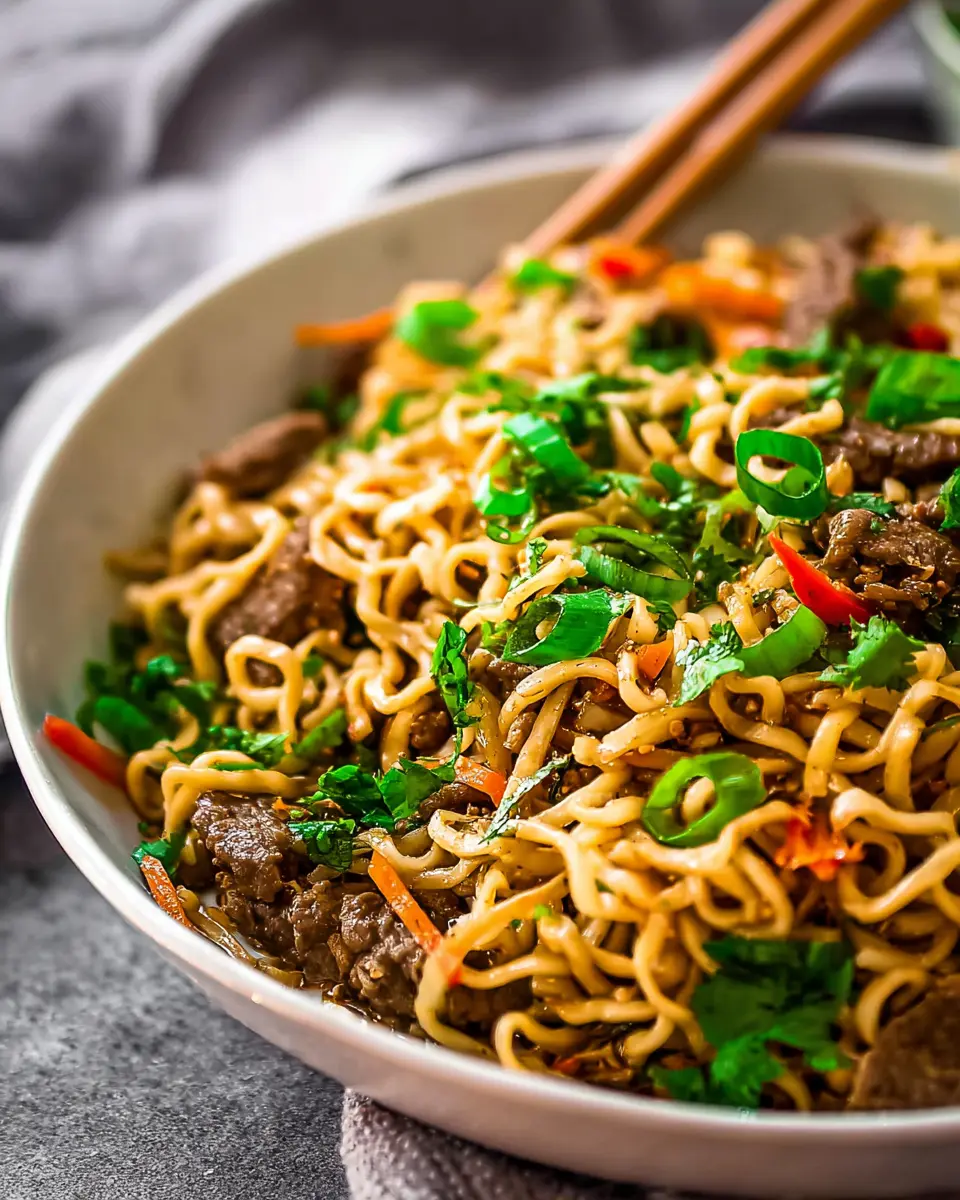
Serving suggestions for Mongolian Noodles
Presentation ideas
To elevate your Mongolian Noodles, consider serving them in vibrant bowls that let the colors of the veggies shine. Garnish your dish with additional chopped green onions and a sprinkle of sesame seeds for an appealing finish. You could also use a mix of chopsticks and forks on the side for a fun touch.
Complementary sides
Pair your Mongolian Noodles with refreshing sides to lighten the meal. A simple cucumber salad dressed in rice vinegar or a light Asian slaw will balance out the richness of the noodles beautifully. You could also serve with crispy spring rolls for an extra crunch. Explore more about Asian side dishes on trusted cooking sites for inspiration!
Time Breakdown for Mongolian Noodles
Preparation Time
Getting started with Mongolian noodles is a breeze! You'll need about 10 minutes to gather your ingredients and prep the veggies. It's a quick step that sets you up for a delicious meal.
Cooking Time
Once prepped, your meal comes together in just 15 minutes! Cooking the beef and veggies while the noodles boil ensures everything is ready to toss together for maximum flavor.
Total Time
In just 25 minutes, you can have a hearty dish of Mongolian noodles on the dinner table. Perfect for busy weeknights when you crave something quick yet satisfying!
Looking to lighten your load even more? Prep your ingredients ahead of time and store them in the fridge, so dinner is even faster. Check out more tips on meal prepping on EatingWell.
Nutritional Facts for Mongolian Noodles
When you're enjoying a hearty serving of Mongolian Noodles, knowing their nutritional benefits can enhance your dining experience. Here’s what each serving has to offer:
Calories per serving
A delicious serving contains approximately 711 calories. This makes it a satisfying choice for a main course.
Protein content
Packed with 42g of protein, these noodles are a great source of this vital nutrient, making them perfect for muscle repair and growth.
Key vitamins and minerals
Mongolian Noodles provide essential vitamins and minerals:
- Vitamin A: 2701 IU (supports eye health)
- Vitamin C: 43mg (boosts your immune system)
- Iron: 8mg (crucial for blood health)
If you're looking to nourish your body while enjoying a tasty meal, Mongolian Noodles hit the spot! For more insights, consider checking resources like NutritionData or Healthline for detailed dietary information.
FAQs about Mongolian Noodles
Can I use a different type of noodle?
Absolutely! While this recipe calls for ramen noodles, you can easily substitute them with udon, soba, or even rice noodles based on your preference. Just keep in mind that cooking times may vary, so adjust accordingly to achieve that perfect texture.
Can I make this dish gluten-free?
Yes, you can! To whip up gluten-free Mongolian noodles, simply choose gluten-free noodles like rice noodles or gluten-free ramen. Also, ensure that you use a gluten-free soy sauce or tamari as the sauce base. It’s a delicious way to enjoy this meal without compromising on flavor!
How do I store leftovers?
Leftover Mongolian noodles can be stored in an airtight container in the refrigerator for up to 3 days. To reheat, simply stir-fry in a pan with a splash of water or soy sauce to bring back some moisture and flavor. Feeling adventurous? You might even add some extra veggies for a refreshing twist! For more storage tips, check out this resource from The Kitchn.
Conclusion on Mongolian Noodles
In conclusion, Mongolian noodles are a delightful 30-minute meal that combines vibrant veggies, savory protein, and a delicious sauce. Perfect for busy weeknights, this dish is as satisfying as it is quick to make. Give it a try and elevate your dinner game tonight!
For more tips on Asian-inspired meals, check out serious eats or thekitchn!
Mongolian Noodles
Equipment
- wok
- 12 inch pan
Ingredients
- 16 oz ramen noodles (450g)
- 2 lb ground beef, turkey or chicken (900g)
- salt
- pepper
- 1 medium carrot, grated
- 1 medium red bell pepper, diced
- 1.5 cups snap peas, halved (147g)
- 6 cloves garlic, minced
- 4 green onions chopped, white and green separated
Sauce
- 0.5 cup low sodium soy sauce (120ml)
- 0.5 cup hoisin sauce (120ml)
- 0.25 cup water (60ml)
- 2 teaspoons cornstarch
- 2 teaspoons fresh minced ginger
- 1 Tablespoon honey
- 2 teaspoons sesame oil
- 0.25 teaspoon crushed red pepper flakes or more to taste
Instructions
- Cook noodles according to package instructions. Drain and set aside.
- Stir together soy sauce, hoisin, water, cornstarch, ginger, honey, sesame oil, and red pepper and set aside.
- Season meat with salt and pepper, then cook in a large wok or skillet over medium heat, breaking into small pieces as it cooks, until browned. Push to the side of the pan (remove grease if there is a lot).
- Add grated carrot, bell pepper, snap peas, and the whites of the green onion and sauté for 2-3 minutes. Add garlic and stir. Combine with ground beef. Add noodles and sauce then toss well to coat. Garnish with green onion.


Leave a Reply