
Introduction to Miso Vegetable Broth
The Magic of Miso and Fresh Vegetables
Have you ever experienced the rich, umami-filled aroma of a simmering pot of miso vegetable broth? It’s not just comforting; it’s a celebration of flavors that can elevate any dish. Miso, a fermented soybean paste, is the star here, packed with probiotics and an array of health benefits. According to the Harvard T.H. Chan School of Public Health, foods like miso not only taste great but also contribute positively to your gut health.
When combined with fresh vegetables, the magic intensifies. Roasted napa cabbage brings a slight sweetness and adds depth to the broth. Picture those golden, caramelized edges melting into a warm, savory liquid! This combo creates a fulfilling experience, transforming ordinary ingredients into an extraordinary dish.
For a nourishing meal that shines on its own or serves as a base for lighter fare, this miso vegetable broth with roasted napa cabbage is a fantastic choice. It’s especially perfect for cozy evenings when you want something warm and soul-soothing. Ready to dive into the recipe? Let’s explore how to create a bowl of comfort!
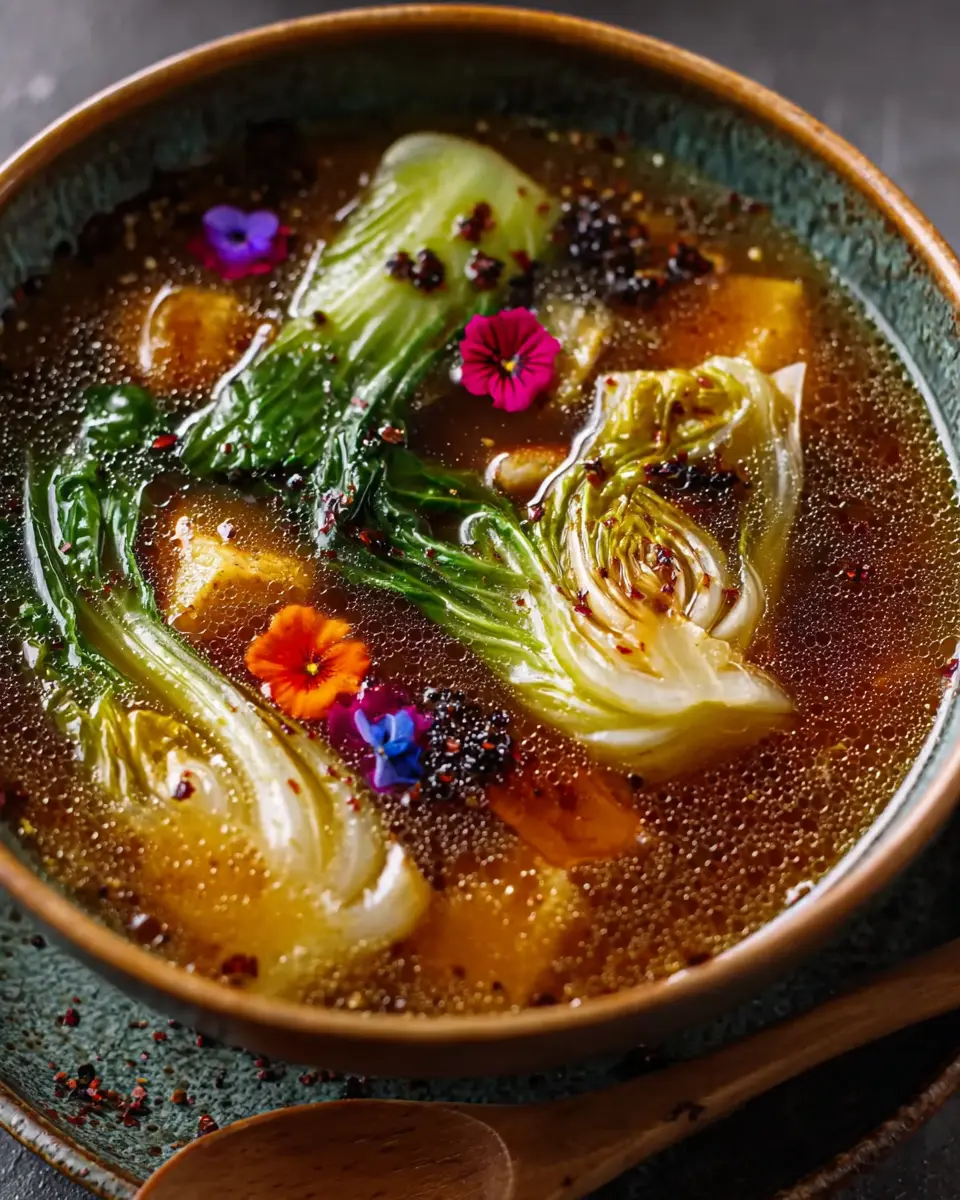
Ingredients for Miso Vegetable Broth
Creating a miso vegetable broth that’s both rich and nourishing starts with the right ingredients. Let’s dive into what you’ll need!
Fresh Produce Needed
- Napa cabbage: ½ head, cut into quarters
- Onion: 1 medium, cut into chunks
- Carrots: 1 pound, cut into chunks for sweetness
- Celery: 2 stalks, chopped for base flavor
- Scallions: 8, trimmed for a mild onion note
- Daikon radish: 8 ounces, cut into chunks for complexity
- Ginger: 6 slices, fresh for zing
- Garlic: 3 cloves, halved to enhance the umami depth
Essential Pantry Staples
- Miso paste: 2 tablespoons adds that signature umami
- Soy sauce: 1 tablespoon for a savory boost
- Dried kelp: 1 piece (5 x 5 inches), a must-have for oceanic flavor
- Dried shiitake mushrooms: 10 to 12, rinsed for an earthy taste
- Water: 14 to 16 cups as the base
Optional Extras for Enhanced Flavor
- Fermented bean curd: 2 small cubes, optional but elevates the flavor profile
- Lime juice: Juice of ½ lime adds a lovely citrus brightness
- Salt: To taste, balancing all those wonderful flavors
Feeling inspired? These ingredients are not just a list but the foundation for a miso vegetable broth that comforts and delights. For more tips on choosing the freshest produce, check out this guide on seasonal vegetables. Happy cooking!
Step-by-step Preparation of Miso Vegetable Broth
Creating a nourishing Miso Vegetable Broth may seem daunting at first, but don't worry! With this simple and inviting guide, you'll be sipping on rich, umami-filled goodness in no time. Let’s dive into the preparation!
Preheat and prepare the napa cabbage
Start by setting your oven to 375°F. While it's warming up, take half a head of napa cabbage and cut it into quarters. Place your cabbage on a baking sheet, drizzle it lightly with vegetable oil, and pop it into the oven for about 25 minutes. Roasting the cabbage adds a beautifully caramelized depth to the broth that enhances its flavor profile — it’s truly worth the little extra effort!
Sauté aromatics for a flavor base
As your cabbage roasts, grab a large pot and heat 1 tablespoon of vegetable oil over medium heat. Add in slices of fresh ginger and halved garlic cloves first, allowing them to infuse the oil with their tantalizing aromas. Once fragrant (about 2-3 minutes), it's time to add in the chunks of onion, carrots, chopped celery, trimmed scallions, and daikon radish. This combination not only builds the foundation of the broth but also fills your kitchen with an irresistible scent!
Add vegetables and kelp for depth
Now that your aromatics are sizzling, it’s time to incorporate even more flavor. Toss in the dried kelp and dried shiitake mushrooms, rinsed to ensure any excess debris is gone. These ingredients bring an essential umami kick to your Miso Vegetable Broth, elevating it to another level. Pour in 14 to 16 cups of water, stirring gently to combine, and bring the mixture to a gentle boil.
Simmer and develop rich flavors
Once boiling, reduce the heat to a simmer and let it swirl together for about 3 to 4 hours. Yes, you read that right! This leisurely cooking time allows all those vibrant flavors to meld beautifully. While you can multi-task, keep an eye on it and enjoy the unfolding aromas that will encourage you to get cozy.
Incorporate miso and finalize the broth
After your broth has simmered wholeheartedly, it’s time for the star ingredient: miso paste. But a tip here — don’t just plop it in! Instead, whisk it with some hot broth and then stir it back into the pot. This technique ensures the flavors dissolve beautifully without losing their character. Add soy sauce, and keep the heat low to avoid boiling afterward. Strain out the solids, add fresh lime juice, and season with salt to taste for a zesty finish.
And there you have it — your Miso Vegetable Broth is ready to delight! Whether sipping it warm or using it as a base for your next culinary adventure, it’s bound to become a comforting staple in your kitchen. Enjoy this delightful broth with our recipe for Roasted Napa Cabbage, and be sure to share your experiences!
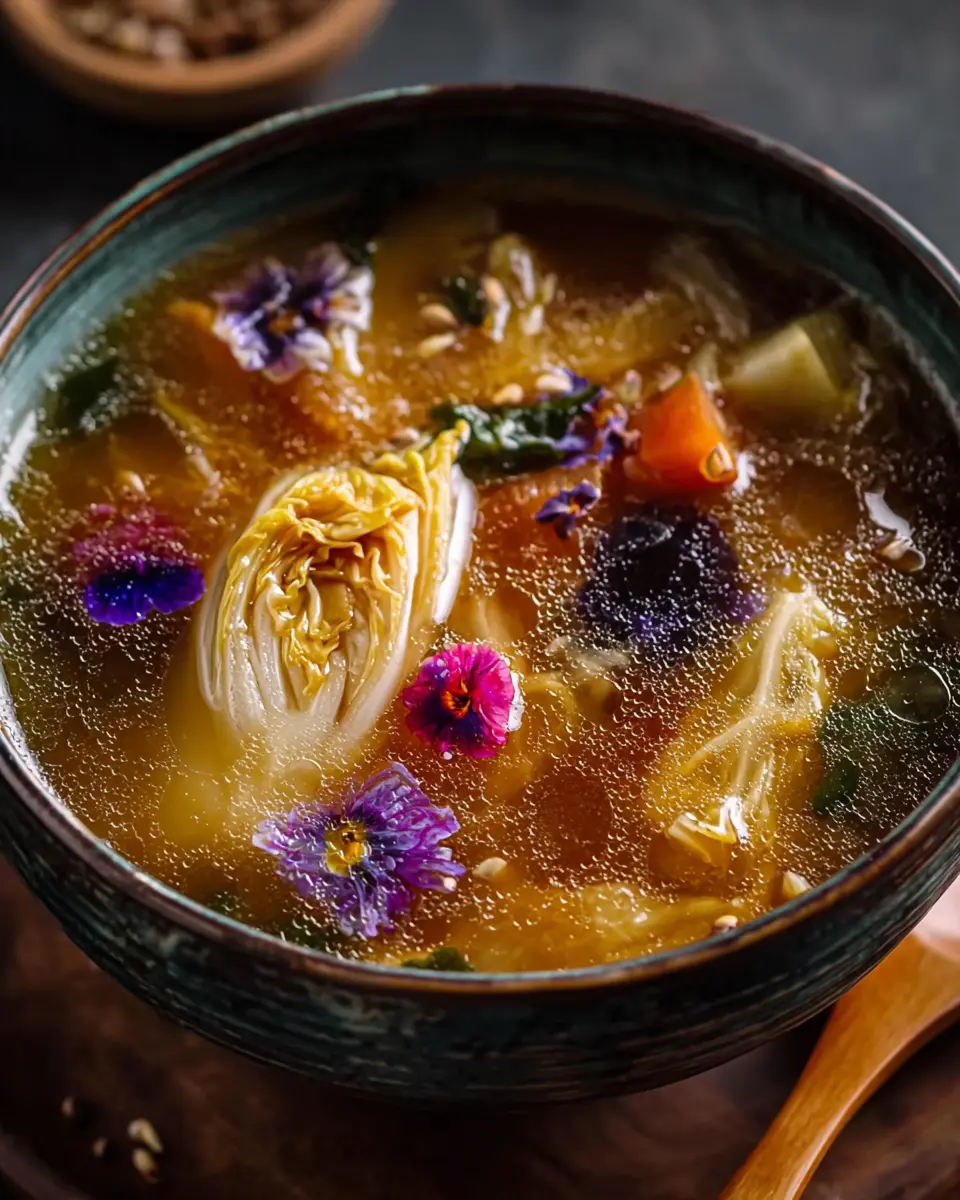
Variations on Miso Vegetable Broth
Add in proteins for extra nourishment
For a heartier bowl of miso vegetable broth, consider adding proteins such as tofu, tempeh, or even shredded chicken ham. These options not only boost nourishment but also enhance the umami profile of your broth. Cooked chickpeas or lentils can also provide a great plant-based protein punch. Just toss them in towards the end of cooking to warm through!
Explore different vegetables and herbs
One of the great joys of creating miso vegetable broth is experimenting with the vast array of vegetables and herbs available. You might try incorporating mushrooms like oyster or portobello for added depth, or leafy greens such as kale or spinach for nutrition. Fresh herbs like cilantro or basil can brighten up the flavor; just remember to add them right before serving for that fresh burst. For more inspiration, check out seasonal vegetable recommendations from Eating Well or Bon Appétit.
Cooking Tips and Notes for Miso Vegetable Broth
Importance of Miso Temperature Control
When making your Miso Vegetable Broth, it's crucial to control the temperature after adding miso. Miso is a fermented ingredient whose flavors can diminish when boiled. Always whisk miso with a bit of hot broth before returning it to the pot, then keep the heat low. For more on fermentation and miso's health benefits, check out this article from the Journal of Culinary Science & Technology.
Storing and Reheating Tips
To prolong the life of your broth, store it in an airtight container in the fridge for up to five days. If you want to freeze it, let it cool completely before portioning into freezer-safe bags. When reheating, gently warm it on the stove rather than boiling, preserving that rich umami depth. Adjust seasoning with a splash of lime juice before serving for a fresh taste!
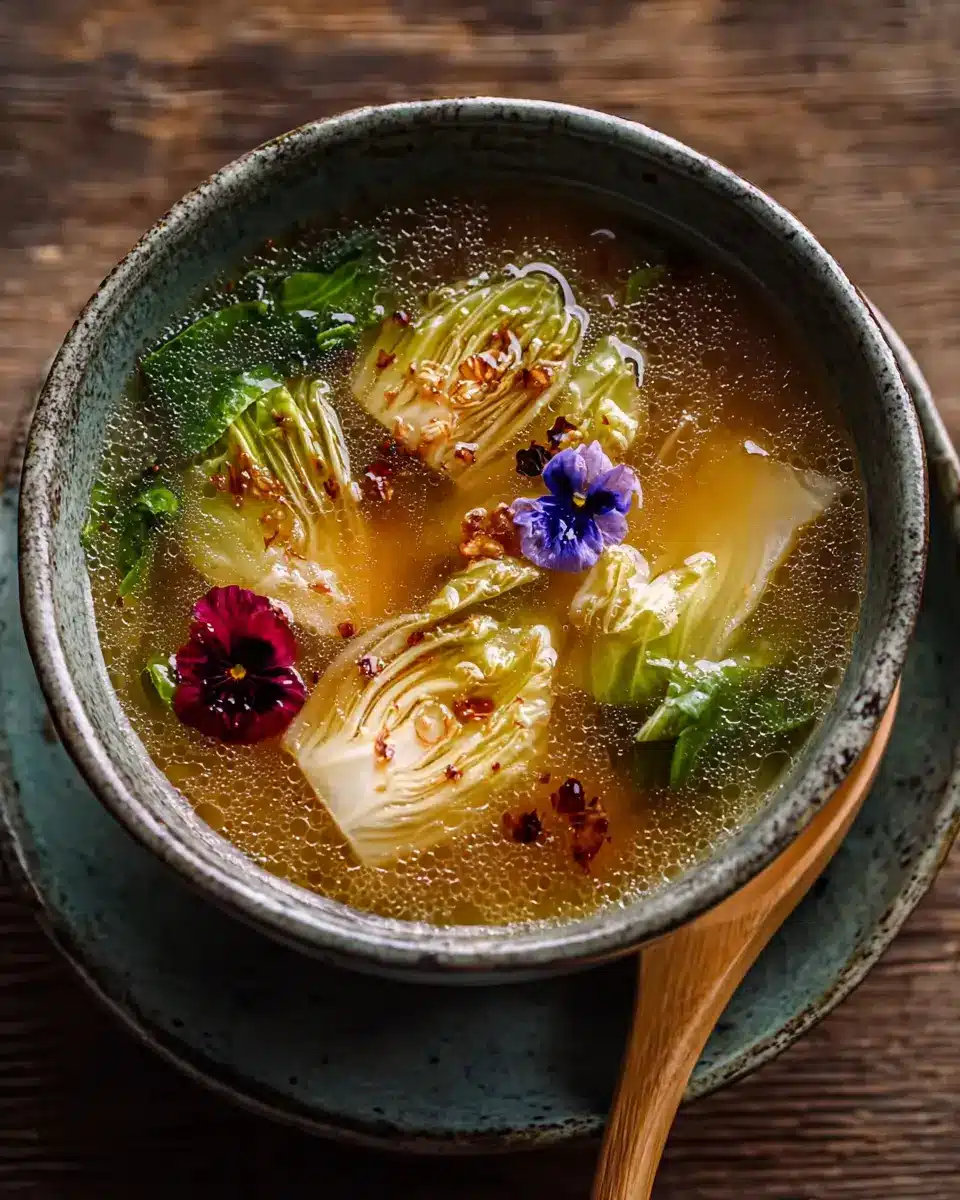
Serving Suggestions for Miso Vegetable Broth
Pairing with Rice or Noodles
Elevate your Miso Vegetable Broth by pairing it with your favorite grains or noodles. A warm bowl of jasmine rice or quinoa makes a filling base, while rice noodles or soba can bring a delightful texture. Simply place a scoop of your chosen grain at the bottom of the bowl and ladle the flavorful broth on top. This not only adds substance but also enhances the broth's many nuanced flavors. Try adding a splash of soy sauce or sesame oil to the rice for extra depth!
Toppings to Enhance Your Bowl
Toppings can truly transform your Miso Vegetable Broth into a gourmet experience. Consider adding:
- Sliced green onions: For freshness and a mild crunch.
- Tofu cubes: For a protein boost (try marinated or fried for added flavor).
- Seaweed strips: To echo the umami notes from the broth.
- Chili oil or sesame seeds: For a little kick!
Feel free to get creative, and don't hesitate to share your favorite toppings in the comments! Embrace the fun of customizing your bowl to suit your taste. Explore more toppings ideas and combinations on high-quality food blogs or culinary websites.
Time Breakdown for Miso Vegetable Broth
Preparation Time
To get started on your Miso Vegetable Broth with Roasted Napa Cabbage, you’ll need about 30 minutes for preparation. This includes chopping your vegetables and getting things ready for roasting.
Cooking Time
The cooking process will take approximately 3 hours and 45 minutes. The majority of this time is dedicated to simmering the broth, allowing those rich flavors to meld beautifully.
Total Time
In total, you'll spend about 4 hours and 15 minutes from start to finish. While it may seem lengthy, most of that time is hands-off, making this broth a perfect dish to prepare while you tackle other tasks!
By allowing time for the flavors to develop, you're set for a broth that's not only delicious but truly satisfying. If you're curious about the benefits of miso or looking for other nourishing broth options, check out resources like the Whole Grains Council or Nutrition.gov for more inspiration!
Nutritional Facts for Miso Vegetable Broth
When you make this delightful Miso Vegetable Broth, it’s easy to see why it’s a favorite for those who prioritize health. Here’s what to expect in a typical serving:
- Calories: Approximately 80 calories per serving, making it a light yet satisfying option.
- Protein: Contains about 4 grams of plant-based protein, perfect for a nourishing vegetarian meal.
- Sodium: With roughly 600 mg of sodium, it’s essential to adjust according to your taste and sodium preferences.
This broth is not just delicious; it’s a nutrient-rich addition to your meal rotation, ideal for any wellness-focused diet. For more tips on incorporating nutritional broths into your meals, check out sources like Healthline and NCBI.
FAQs about Miso Vegetable Broth
Can I use different vegetables?
Absolutely! The beauty of Miso Vegetable Broth lies in its versatility. Feel free to swap out or add other veggies like sweet potatoes, bell peppers, or zucchini. Just remember to aim for a blend that balances sweetness and acidity for a well-rounded flavor.
What can I serve with the broth?
This broth pairs wonderfully with a variety of sides. Consider serving it with rice noodles, steamed dumplings, or even adding it to grain bowls. For a heartier meal, try topping it with some grilled tofu or sautéed veggies for added nutrition and texture.
How long does the broth last in the fridge?
You’ll be happy to know that your Miso Vegetable Broth can last about 4 to 5 days in the fridge. Just be sure to store it in an airtight container. If you want to keep it longer, consider freezing it in individual portions for a quick and satisfying meal any day!
Feel free to explore more about the elements of this vegetable broth recipe in additional resources like The Kitchn or EatingWell for more tips on brothy delights.
Conclusion on Miso Vegetable Broth
Embracing homemade goodness
Crafting Miso Vegetable Broth is more than just cooking; it’s a chance to nourish your body and soul with wholesome flavors. This recipe not only brings warmth on a chilly day but also invites creativity in the kitchen. Enjoy your culinary journey and share the joy of homemade goodness with others! For more inspiration, check out Plant-Based Recipes and elevate your cooking game.
Miso Vegetable Broth with Roasted Napa Cabbage
Equipment
- baking sheet
- large pot
Ingredients
Vegetables
- ½ head napa cabbage cut into quarters
- 1 tablespoon vegetable oil plus extra for roasting
- 1 medium onion cut into chunks
- 1 pound carrots cut into chunks
- 2 stalks celery chopped
- 8 pieces scallions trimmed
- 8 ounces daikon radish cut into chunks
- 6 to 8 slices fresh ginger
- 3 cloves garlic halved
Broth Components
- 2 tablespoons miso paste
- 1 tablespoon soy sauce
- 1 piece dried kelp 5 x 5 inches, rinsed
- 10 to 12 pieces dried shiitake mushrooms rinsed
- 2 small cubes fermented bean curd optional
- 14 to 16 cups water
- ½ lime juice of ½ lime
- salt to taste
Instructions
Cooking Instructions
- Preheat oven to 375°F.
- Place napa cabbage on a baking sheet, lightly oil, and roast for 25 minutes.
- Heat oil in a large pot over medium heat.
- Add ginger and garlic, cook until fragrant.
- Add onion, carrots, celery, scallions, daikon, kelp, and mushrooms.
- Pour in water and bring to a gentle boil.
- Add roasted cabbage, reduce heat, and simmer 3 to 4 hours.
- Whisk miso with hot broth and stir back into pot with soy sauce.
- Keep heat low and avoid boiling.
- Strain broth and discard solids.
- Add lime juice and adjust seasoning.
- Serve warm.



Leave a Reply