
Introduction to English Muffin Bread
If you’ve ever enjoyed a toasted English muffin with its signature nooks and crannies, imagine that same delightful experience transformed into a soft, fluffy loaf — that’s the beauty of English muffin bread. This homemade alternative offers all the flavor and texture you love, while being incredibly versatile. You can slice it for breakfast, serve it with soup, or create scrumptious sandwiches with fillings like turkey bacon or chicken ham.
Why English Muffin Bread is the Perfect Homemade Alternative?
Making English muffin bread at home is surprisingly simple and rewarding. Unlike traditional English muffins, which require a griddle and some finesse, this recipe allows you to mix and bake a loaf in just a few steps. You get the same taste, but with minimal fuss. According to the USDA, making bread at home not only gives you control over ingredients—allowing you to avoid preservatives—but it’s also linked to better eating habits.
Plus, nothing beats the aroma of freshly baked bread wafting through your kitchen. Whether you choose to toast your slices or enjoy them straight out of the oven with a spread of butter, you’ll find this loaf is bound to become a staple. So grab your ingredients and get ready to impress your friends and family with this delightful treat!
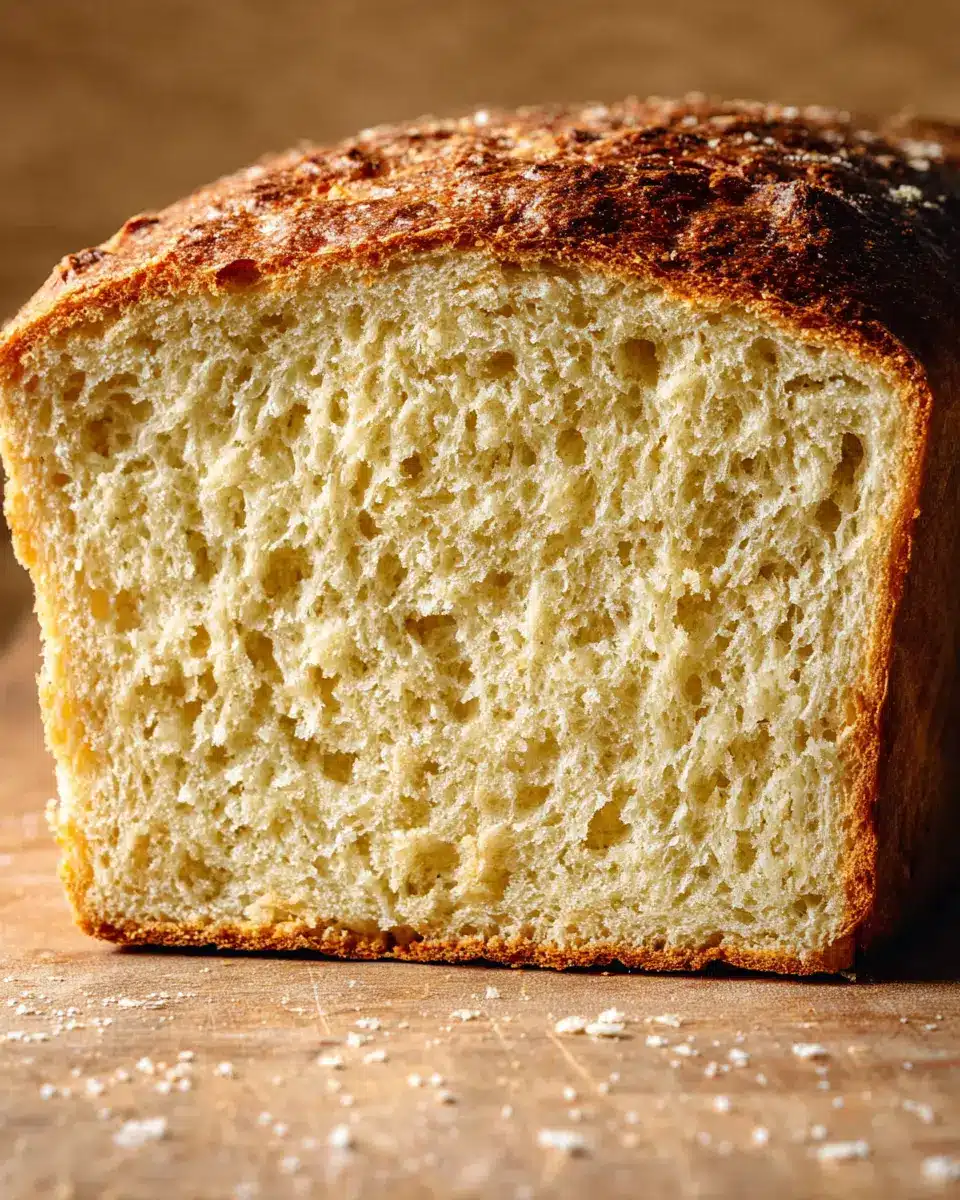
Ingredients for English Muffin Bread
Essential ingredients for homemade bread
When it comes to making your english muffin bread, having the right ingredients is key to achieving that perfect soft, chewy texture. Here’s what you’ll need:
- 4 cups all-purpose flour: This is the base for our bread, providing structure.
- 2 packets instant yeast (4 ½ teaspoons): This helps the bread rise, giving it that delightful airy feel.
- 1 tablespoon granulated sugar: A touch of sweetness enhances the flavor while aiding fermentation.
- 1 ¾ teaspoons kosher salt: Essential for flavor and controlling yeast activity.
- ¼ teaspoon baking soda: This adds extra fluffiness.
- 1 ¼ cups whole milk and ¼ cup water: These liquids create a tender crumb. Warm them to activate the yeast.
- 2 tablespoons olive oil: This enriches the dough, making it deliciously moist.
Optional ingredients for extra flavor
If you want to elevate your english muffin bread, consider adding:
- Finely ground yellow cornmeal: Sprinkled in the pan, it provides a delightful texture and helps prevent sticking.
- 1 tablespoon melted butter: Brushed on top post-baking gives a lovely sheen and rich taste.
These little touches can transform your loaf into something really special! For more tips and creative ideas, check out this guide on homemade bread. Happy baking!
Step-by-Step Preparation of English Muffin Bread
Creating homemade english muffin bread is a delightful way to enjoy a fresh, warm loaf with a perfect crumb and those iconic nooks and crannies. Let’s dive into the step-by-step preparation to ensure your baking journey is as smooth as possible.
Preparing the Loaf Pan
Start by prepping your loaf pan. You'll want to coat it with cooking spray for easier removal later. For that extra touch, sprinkle the bottom and sides with finely ground yellow cornmeal. This not only prevents sticking but adds a delightful texture to your bread’s crust. Give the pan a gentle shake to evenly distribute the cornmeal, and then tap out any excess.
Mixing the Dry Ingredients
Next, it's time to mix the dry ingredients! In your stand mixer, combine 4 cups of all-purpose flour, 2 packets of instant yeast, 1 tablespoon of granulated sugar, 1¾ teaspoons of kosher salt, and ¼ teaspoon of baking soda. Whisk these together until everything is well blended; it’s important that the yeast and salt are evenly distributed to help the bread rise beautifully. For a comprehensive look at the science of bread-making, you might check out this article on baking basics.
Heating the Wet Ingredients
While the dry ingredients are mingling, let's prepare the wet mixture. In a small saucepan, whisk together 1¼ cups of whole milk, ¼ cup of water, and 2 tablespoons of olive oil. Heat this over medium heat until it’s warm to the touch—around 120°F to 130°F, which should take about 2 minutes. Temperature is key here; too hot can kill the yeast, while too cool won’t activate it.
Combining Wet and Dry Ingredients
Now it’s time for the exciting part: combining everything! Pour the warm liquid into your dry ingredient mix. Attach the paddle attachment to your stand mixer and start beating on a low speed. Gradually increase to medium speed until a tacky dough forms, typically around 2 to 4 minutes. You’ll know it’s ready when it’s pulling away from the sides of the bowl but still feels slightly sticky.
Shaping and Rising the Dough
Once your dough is ready, take it out and shape it into a ball. Place it in your prepared loaf pan and gently press down to fill it evenly, reaching the corners. If you want that classic touch, sprinkle 1 teaspoon of yellow cornmeal on top. Now, cover it with a lightly greased sheet of plastic wrap and let it rise in a warm spot. This should take about 45 minutes to 1 hour, allowing the dough to puff up nicely.
Baking the Bread to Perfection
Preheat your oven to 400°F about 20 minutes before your dough is done rising. Once it’s ready, remove the wrap and bake until the loaf is golden brown—about 30 to 35 minutes. Aim for an internal temperature of at least 190°F for a perfectly cooked loaf. If you wish for a shiny crust, brush the top with 1 tablespoon of melted butter right after pulling it out of the oven. Let it cool for about 5 minutes, then transfer it onto a wire rack to cool completely.
And there you have it! A delightful homemade english muffin bread that’s ready to be sliced and toasted for your breakfast or brunch delights. Enjoy the satisfying process and the laughter that comes with sharing a warm loaf with friends and family!
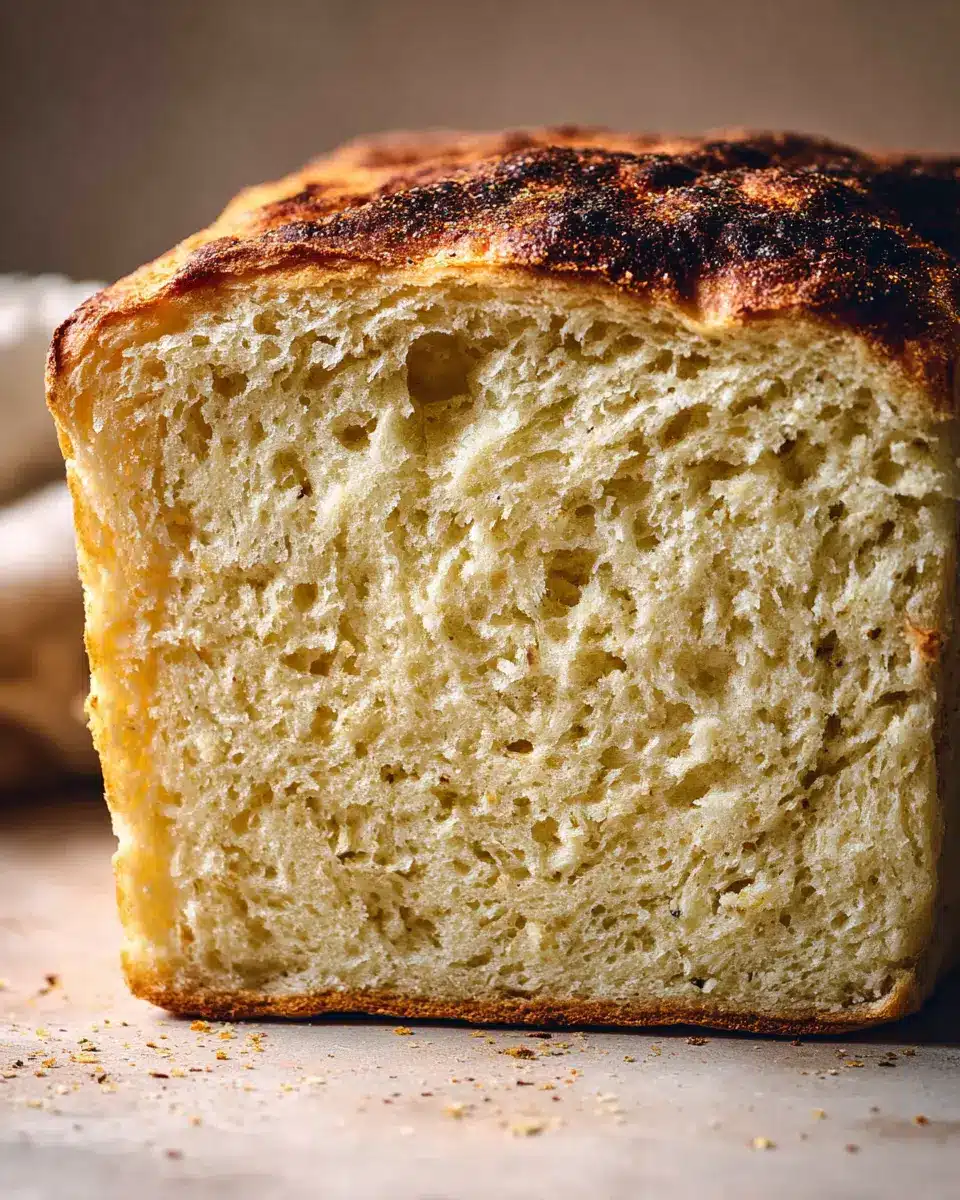
Variations on English Muffin Bread
Exploring variations on your English muffin bread can elevate your baking game and keep things exciting!
Adding herbs and spices for extra flavor
Mixing in herbs like rosemary or thyme can infuse your English muffin bread with delightful flavors. Try adding garlic powder, onion powder, or even a pinch of smoked paprika for depth. A sprinkle of Italian seasoning brings a familiar taste, making your bread perfect for sandwiches or toasting alongside soups.
Sweet versions with fruits or spices
If your palate leans toward the sweet side, consider incorporating ingredients like dried cranberries, chopped apples, or even a dash of cinnamon. These additions create a comforting English muffin bread with a delightful chew and sweetness. You could also experiment with nutmeg or vanilla extract for a warm, inviting aroma that fills your kitchen.
By trying these variations, you can enjoy endless possibilities while making your English muffin bread uniquely yours! For more ideas, check out this resource for even more bread inspirations.
Cooking Tips and Notes for English Muffin Bread
Importance of ingredient temperature
When making English muffin bread, your choice of ingredient temperature can significantly impact your dough's texture and rise. For instance, using warm milk (about 120°F to 130°F) not only activates the instant yeast but also helps the dough develop an airy crumb. It might be tempting to grab cold milk right from the fridge, but warm ingredients work wonders for yeast activation and overall dough performance.
Tips for successful rising
Achieving a good rise is crucial for that characteristic fluffy texture of English muffin bread. Here are some tips:
- Warm environment: Find a cozy spot in your kitchen to let your dough rise, ideally around 75°F to 80°F. If it’s chilly, consider turning on your oven to the lowest setting for a few minutes, then turn it off and place the dough inside.
- Cover the dough: Using greased plastic wrap helps retain moisture and warmth, promoting an even rise.
- Be patient: Don’t rush it! Letting the dough rise until it just crests the rim of the pan ensures that it has properly developed.
By paying attention to these details, you’ll create a wonderfully delicious loaf of English muffin bread that’s perfect for toasting and enjoying any time of day. For more tips and variations, check out resources like King Arthur Baking for expert insights!
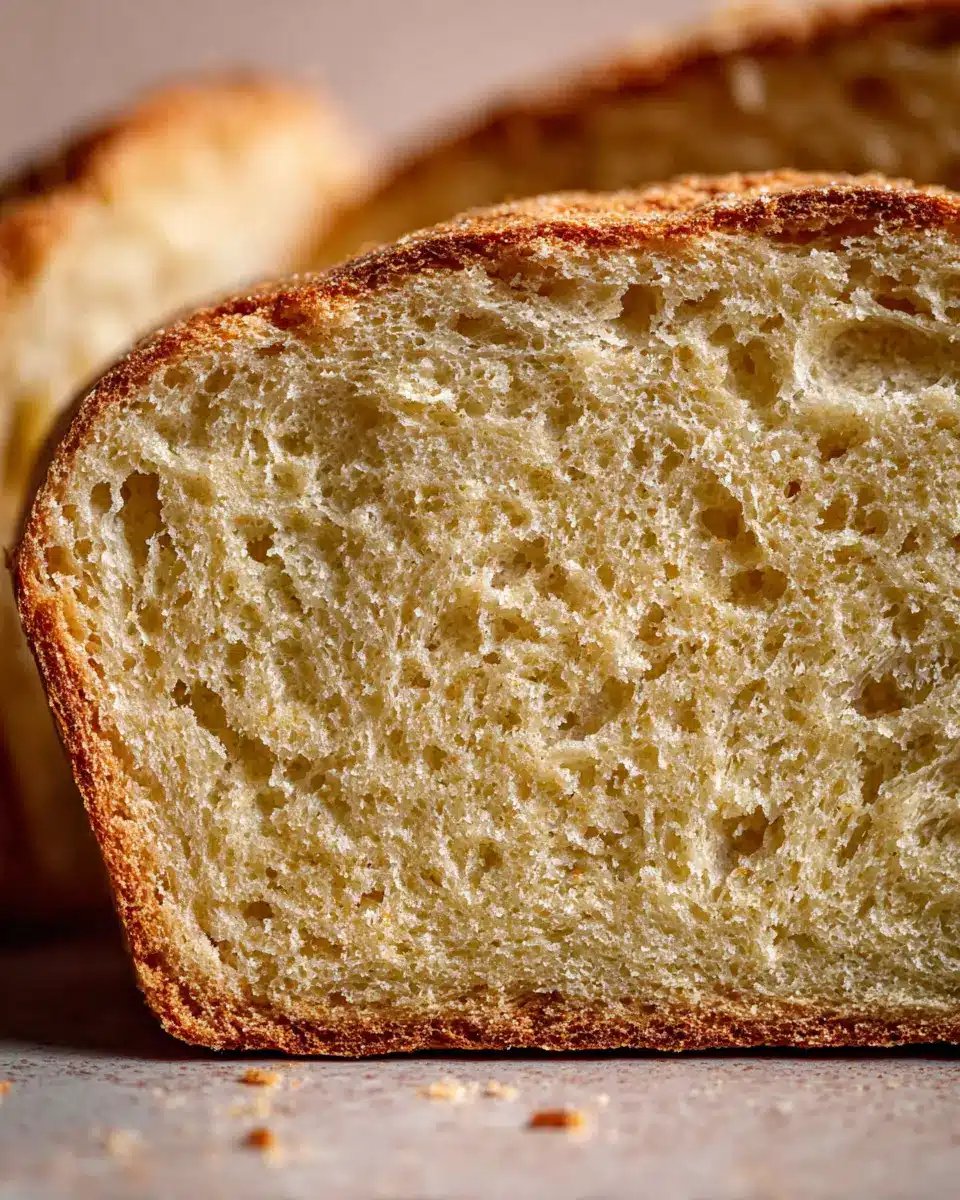
Serving Suggestions for English Muffin Bread
Classic Toppings for Breakfast
When it comes to english muffin bread, breakfast is where it truly shines. Start your day with a slice toasted to perfection, slathered in creamy butter and a sprinkle of cinnamon sugar for a sweet twist. Alternatively, top it with avocado and a poached egg—a simple combination packed with flavor and nutrients. For something heartier, try Turkey Bacon and a slice of cheddar, giving you that satisfying savory bite to kick off your morning.
Creative Sandwich Ideas for Lunch
Looking to elevate your lunchtime routine? Use your english muffin bread as the perfect base for gourmet sandwiches. Fill it with Chicken Ham and Swiss cheese, then toss in some fresh spinach and a tangy mustard for a delightful crunch. Or, craft a vegetarian favorite by layering roasted veggies, perhaps some hummus, and feta cheese for a Mediterranean-inspired treat. No matter the filling, each bite offers a delicious and hearty experience—perfect for energizing your afternoon!
For more inspiration, check out these unique sandwich ideas to keep your lunches exciting and flavorful.
Time Breakdown for English Muffin Bread
Preparation time
Preparing your english muffin bread is quick and easy, taking only about 20 minutes. This includes gathering ingredients, mixing the dough, and getting it ready for its first rise. You’ll love how simple it feels to create something delicious from scratch!
Cooking time
The cooking process takes about 30 to 35 minutes. While your bread is baking, the aroma of warm, toasted bread will fill your kitchen, making the wait completely worth it.
Total time
In total, you're looking at around 1 hour and 10 minutes to 1 hour and 15 minutes for everything—from prep to baking. After that, you’ll want to let it cool for about 1.5 hours, but trust me, the taste of freshly baked english muffin bread will make it all worthwhile!
For more tips on perfecting your bread-making skills, check out resources like King Arthur Baking for expert insights.
Nutritional Facts for English Muffin Bread
Calories
Each slice of english muffin bread comes in at around 130 calories. This makes it a satisfying option for breakfast or a snack without drastically throwing off your daily intake!
Carbohydrates
With approximately 25 grams of carbohydrates per slice, this bread offers a good energy source that's perfect for fueling your day. Just consider pairing it with some protein or healthy fat for a balanced meal.
Protein
You can expect about 4 grams of protein per slice of your english muffin bread. While it’s not a major protein powerhouse, it can still contribute to your daily goals, especially when enjoyed with a topping like nut butter or turkey bacon!
For those interested in diving deeper into nutrition, check out resources like the USDA FoodData Central for more information on the nutritional values of your favorite foods!
FAQ about English Muffin Bread
Can I use whole wheat flour?
Absolutely! You can substitute a portion or all of the all-purpose flour with whole wheat flour for a heartier flavor and added nutrition. Keep in mind that whole wheat flour tends to absorb more liquid, so you might need to increase the amount of milk or water slightly to achieve the right dough consistency.
How do I store leftover bread?
To keep your English muffin bread fresh, wrap it in plastic cling wrap or aluminum foil after it’s completely cooled. For longer storage, consider slicing the loaf and placing it in a zip-top bag before freezing. This way, you can easily toast a slice whenever you crave it!
What can I do if my bread doesn't rise?
If your English muffin bread fails to rise as expected, a few factors could be at play. Ensure your yeast isn’t expired; dead yeast won’t help your dough rise. Additionally, the liquid used to activate the yeast should be warm, not hot. Lastly, try to find a warm, draft-free spot for the dough to rise, as yeast thrives in a cozy environment.
For more tips, check out King Arthur Baking for expert advice on bread baking!
Conclusion on English Muffin Bread
Embracing homemade bread for healthier choices is not just rewarding; it's a delightful experience! This English muffin bread offers the perfect combination of taste and nutrition. Crafting your own allows you to control ingredients and avoid preservatives, making every bite a wholesome treat. So why not get started on your baking journey today?
English Muffin Bread
Equipment
- loaf pan
- Stand Mixer
- small saucepan
- Plastic wrap
- wire rack
Ingredients
- 1 tablespoon cooking spray
- 1 teaspoon finely ground yellow cornmeal plus more for the pan (optional)
- 4 cups all-purpose flour
- 2 packets instant yeast (4 ½ teaspoons)
- 1 tablespoon granulated sugar
- 1 ¾ teaspoons kosher salt
- ¼ teaspoon baking soda
- 1 ¼ cups whole milk
- ¼ cup water
- 2 tablespoons olive oil
- 1 tablespoon butter melted (optional)
Instructions
- Coat an 8 ½ or 9-inch loaf pan, preferably metal, lightly with cooking spray. Sprinkle the bottom and sides with finely ground yellow cornmeal if using and shake and tilt to coat; tap out the excess cornmeal.
- Whisk 4 cups all-purpose flour, 2 (¼-ounce) packets instant yeast, 1 tablespoon granulated sugar, 1 ¾ teaspoons kosher salt, and ¼ teaspoon baking soda together in a stand mixer.
- Whisk 1 ¼ cups whole milk, ¼ cup water, and 2 tablespoons olive oil together in a small saucepan. Heat over medium heat until warm to the touch (120°F to 130°F), about 2 minutes.
- Pour into the stand mixer. Beat with the paddle attachment, starting on low speed and gradually moving up to medium speed, until a tacky dough that clears the sides of the bowl forms (a finger pressed into the dough should not stick), 2 to 4 minutes.
- Remove the dough from the bowl and shape it into a ball. Place in the loaf pan and gently push down with damp hands to fill the pan in an even layer, making sure to go all the way to the corners. Sprinkle with 1 teaspoon yellow cornmeal if using.
- Coat a sheet of plastic wrap with cooking spray. Place sprayed-side down over the pan. Let rise in a warm place until the dough has risen to just over the rim of the pan by about ¼-inch, 45 minutes to 1 hour. About 20 minutes before the dough is ready, heat the oven to 400ºF.
- Uncover and bake until the top is golden brown and an instant-read thermometer inserted into the center registers at least 190°F, 30 to 35 minutes. For a shiny top, immediately brush the top with 1 tablespoon melted butter. Let cool for 5 minutes. Flip the bread out onto a wire rack and let cool completely, about 1 ½ hours. The bread is best served sliced and toasted.




Leave a Reply