
Introduction to Gochujang Pasta Recipe
If you're looking to jazz up your weeknight dinners, the gochujang pasta recipe might just become your new obsession. Imagine a dish that combines the comforting creaminess of Italian vodka sauce with the spicy, umami kick of Korean gochujang. It’s a harmony of flavors that’s quick, easy, and guaranteed to satisfy both the pasta lover and the spice aficionado in you.
Why Gochujang Pasta is Your New Favorite Dish?
This dish is not just about merging two cuisines; it’s about creating a new culinary experience. The richness of heavy cream pairs beautifully with the savory notes of gochujang, making every bite a delightful surprise. With a prep time of just 5 minutes and a total cooking time of only 15 minutes, this recipe integrates seamlessly into your busy lifestyle. Plus, the ingredients are relatively easy to find—most can be kept on hand in your pantry.
Whether you have a long day at work or you're hosting a dinner party, serving up gochujang pasta is a surefire way to impress. The beautiful combination of spicy and creamy will have everyone asking for seconds. Feeling adventurous? Try adding some grilled chicken or veggies to customize the dish further. For more insights on gochujang, check out resources from Korean Bapsang and Serious Eats.
Ingredients for Gochujang Pasta
Essential ingredients for a creamy meal
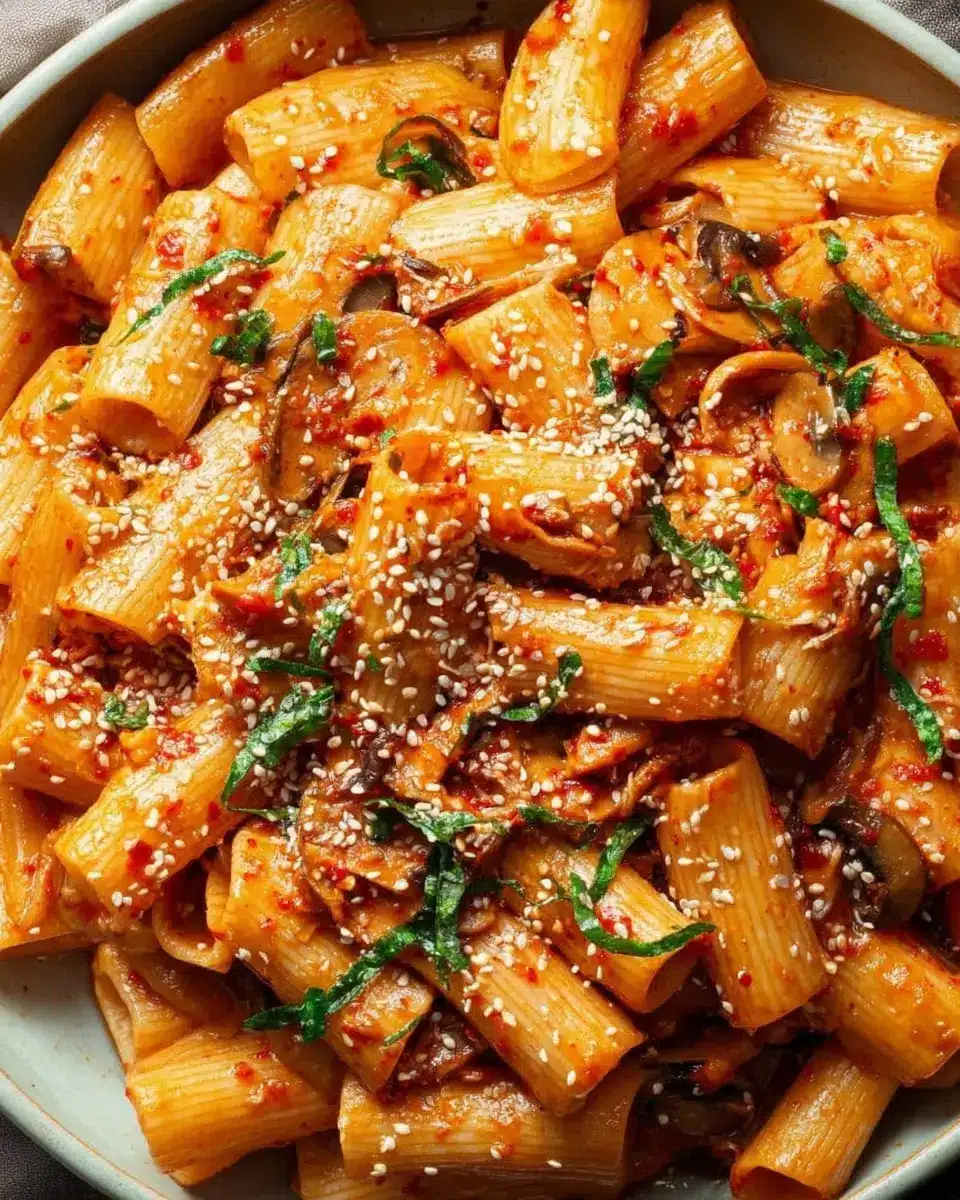
To whip up this delicious gochujang pasta recipe, you'll need a handful of essential ingredients that come together to create a truly satisfying dish:
- Pasta - 8.8 oz of gluten-free paccheri or rigatoni is perfect for capturing the creamy sauce. Any pasta shape you love will work!
- Aromatic base - 6 large garlic cloves and 1 oz of finely chopped shallots provide a flavor boost.
- Mushrooms - 10 oz of sliced white button or cremini mushrooms add depth to the sauce.
- Gochujang paste - This Korean chili paste is the star of the show; it lends both heat and umami.
- Creaminess - Use 1 cup of half-and-half or a dairy-free creamer for that silky, indulgent texture.
- Butter - A tablespoon will elevate the richness. Don't forget the sprinkle of parmesan or a vegan alternative to finish!
Optional ingredients for variations and substitutions
Feel free to get creative! Here are some helpful optional ingredients for personalizing your gochujang pasta recipe:
- Vegetables - Add spinach, bell peppers, or snap peas for a refreshing twist.
- Protein - Consider cooked chicken ham or turkey bacon for an added protein punch.
- Nuts - Toasted sesame seeds or chopped walnuts can provide a nice crunch.
- Herbs - Fresh cilantro or parsley can brighten the flavors.
- Extra spice - If you're craving more heat, toss in some red pepper flakes or sriracha.
With these ingredients, you’re set to make a delightful gochujang pasta that’s not just quick but also totally customizable. Happy cooking!
Preparing Gochujang Pasta
Gochujang pasta is a delightful fusion of flavors that brings a unique twist to traditional pasta. In just 20 minutes, you can create a creamy, spicy, and utterly delicious dish that will impress both your taste buds and your dinner guests. Let’s get started on this exciting culinary journey.
Gather Your Ingredients
Before you dive into cooking, it’s essential to have everything you need right at your fingertips. This helps streamline the process and makes your cooking experience enjoyable. Here’s what you’ll need for this gochujang pasta recipe:
- 8.8 oz (Gluten-free) paccheri or rigatoni
- 6 large garlic cloves, thinly sliced
- 1 oz. shallot, finely chopped
- 10 oz. white button mushrooms or cremini, sliced
- 3 tablespoon olive oil
- Coarse sea salt, to taste
- 2-3 tablespoon gochujang paste
- 1 cup half-and-half or dairy-free creamer
- 1 tablespoon butter
- Grated parmesan cheese (or cashew parmesan for a vegan option)
- Chopped chives for garnish
Boil the Pasta to Perfection
Start by bringing a large pot of water to a vigorous boil. Don’t forget to salt the water—you want the pasta to absorb flavor while it cooks. Follow the package instructions to cook the pasta until it’s just al dente; this usually takes around 8-10 minutes. Remember to reserve some pasta water before draining—it’s a crucial ingredient for adjusting sauce consistency later.
Sauté Garlic, Shallots, and Mushrooms
While the pasta cooks, it’s time to elevate those basic flavors. In a 12-inch skillet, heat 2 tablespoons of olive oil over medium heat. Add the sliced garlic, chopped shallots, and a pinch of sea salt. Sauté for about 15-20 seconds until fragrant. Then, toss in the sliced mushrooms along with the remaining tablespoon of olive oil. Cook until the mushrooms soften and release their moisture—this should take about 3 minutes.
Incorporate Gochujang and Cream
Push the mushrooms to one side of the skillet and add the gochujang paste to the center. Sauté it for about 10 seconds to unlock its full, delicious aroma. Next, pour in the cream, stirring quickly with a wooden spoon until the paste is fully blended. Your sauce should be creamy but not overly thick at this stage—it will thicken more once we add the pasta.
Combine Pasta with the Sauce
Once your pasta is drained, add it into the skillet. Toss everything together over medium heat for about 30 seconds. This allows the pasta to coat itself in the sauce beautifully. Stir in the butter, letting it melt into the sauce, enhancing that glossy finish. If it feels too dry, you can add a splash of the reserved pasta water to reach the desired consistency.
Serve with Toppings
Transferring your gochujang pasta to a serving plate is the final step! Finish it off with a sprinkle of grated parmesan and chopped chives for a fresh, vibrant touch. Serve this dish hot or warm and watch as everyone digs in with delight!
For more culinary creativity, you might want to explore additional tips on how to make the most of Asian-inspired flavors in everyday cooking too. Happy cooking!
Variations on Gochujang Pasta
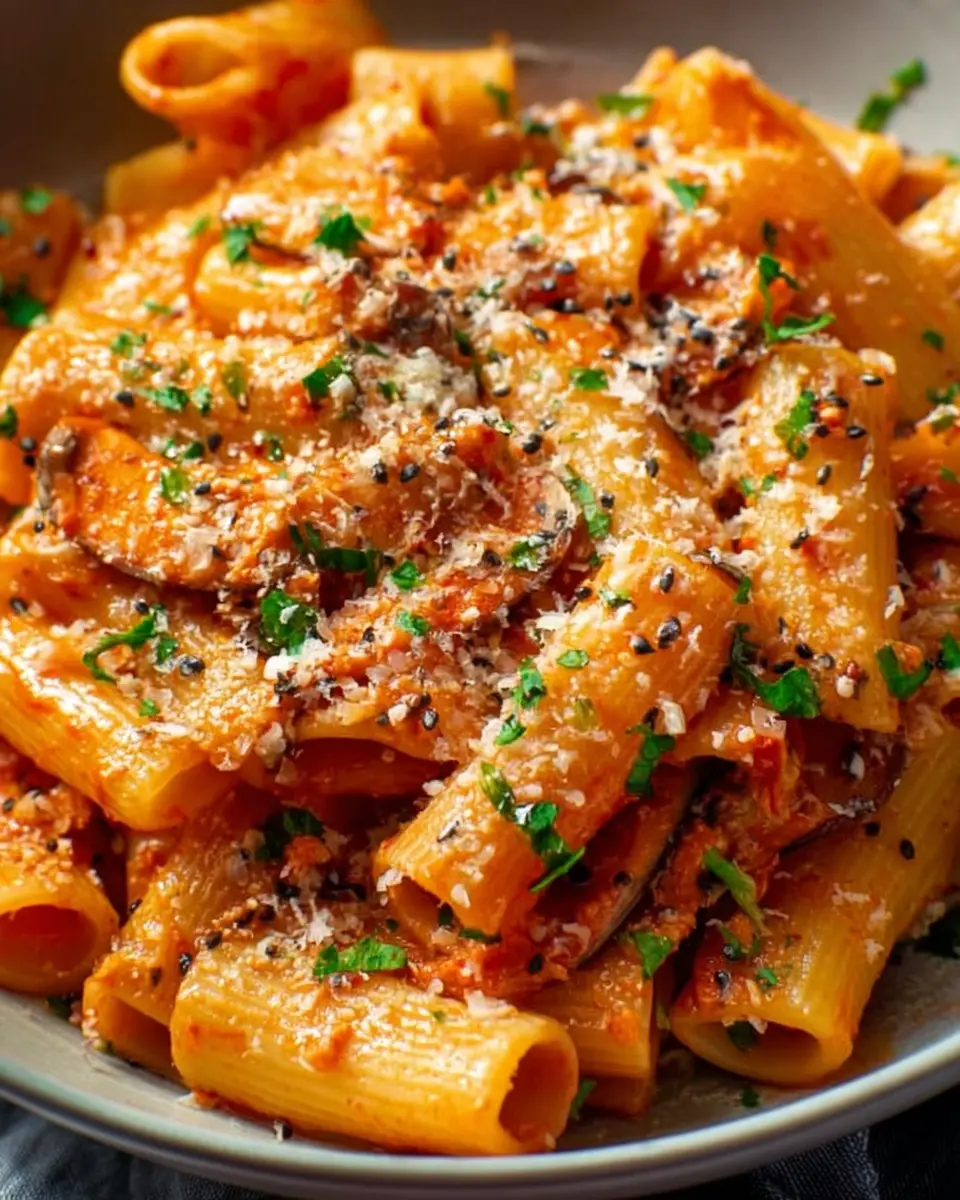
Vegan Gochujang Pasta
Looking to make your gochujang pasta recipe plant-based? No problem! Simply replace the half-and-half with a rich, dairy-free creamer like unsweetened almond or cashew cream. Omit the butter, or substitute it with a splash of olive oil. To amp up flavor, add sautéed spinach or kale, and consider tossing in nutritional yeast for a cheesy flavor without the dairy.
Gochujang Pasta with Protein Additions
Want to make your gochujang pasta heartier? There are plenty of protein options! Try adding grilled chicken, tofu, or sliced turkey bacon for an extra savory punch. If you're leaning toward beef, some sautéed ground beef can work wonders, enhancing the umami flavor of the dish. Experiment with your favorite proteins to find the combination that you love best! For more inspiration, check out this health-focused protein guide.
Cooking tips and notes for Gochujang Pasta
Cream and spice adjustments
When you’re preparing this gochujang pasta recipe, don’t hesitate to tailor the creaminess and spice. If you prefer a lighter version, use half-and-half or plant-based alternatives like Nutpods, which will keep the rich texture without being too heavy. For those who love indulgence, heavy cream will elevate the richness. As for spice, start with 2 tablespoons of gochujang. Tastes differ, so adjusting the spice level to suit your palate is key to enjoying this dish!
Pasta choices and their impact
The type of pasta you choose can really affect the overall experience of your gochujang pasta. While rigatoni and paccheri capture sauce beautifully, spaghetti or penne can offer a delightful twist. Each shape provides a different texture and sauce-holding capability, making it a fun opportunity to experiment. Just remember, the heartiness of the pasta should complement the creamy, spicy sauce for the perfect bite!
For more inspiration on pasta choices, check out The Pasta Shop.
Serving suggestions for Gochujang Pasta
Ideal pairings for a delightful meal
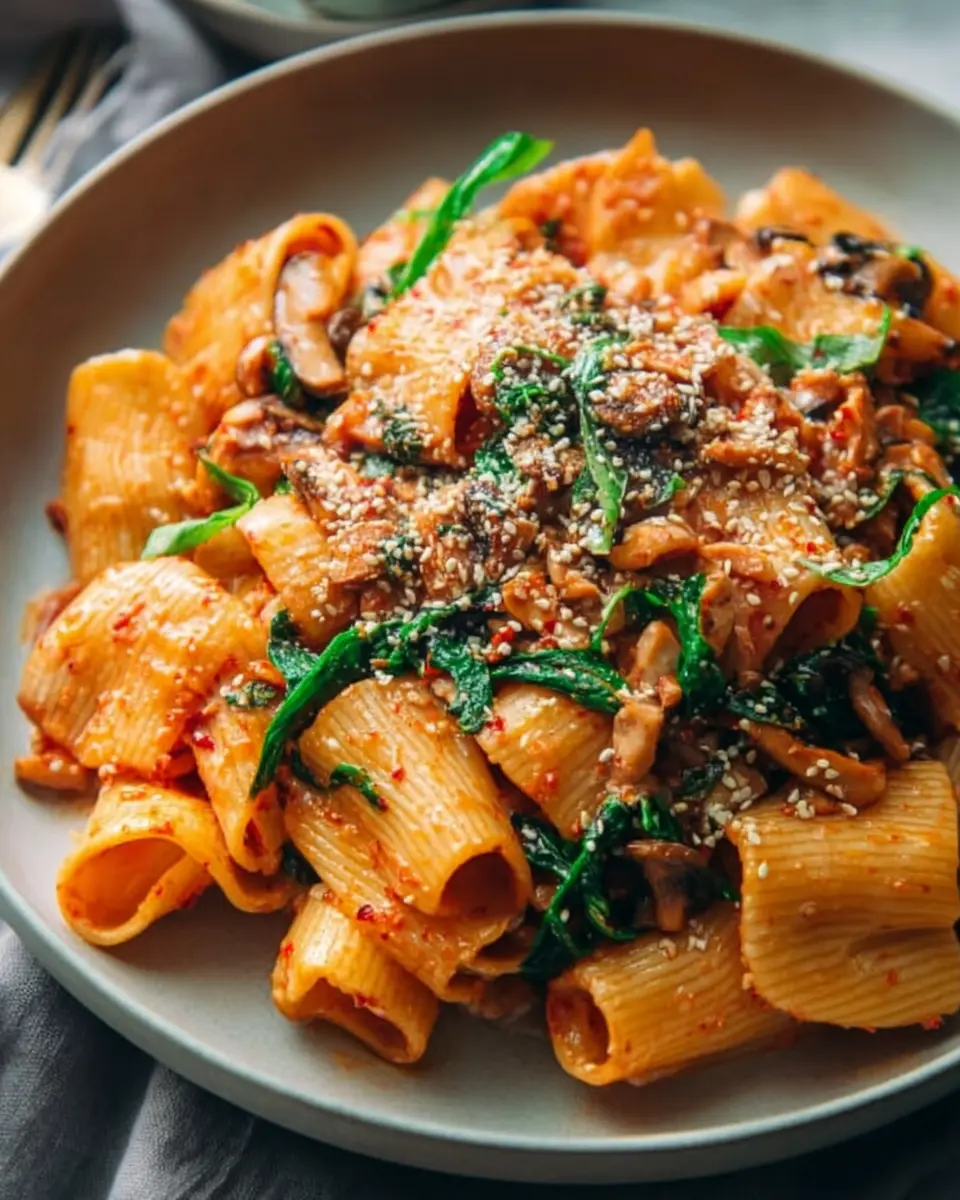
This gochujang pasta recipe shines on its own but can be enhanced with thoughtful pairings. Consider serving it with:
- Grilled Chicken: Juicy, marinated chicken thighs or breasts elevate the dish, adding protein and substance.
- Turkey Bacon: Crispy turkey bacon provides a nice crunch and a smokey flavor that complements the creamy sauce.
- Vegetable Sides: A light salad or roasted broccoli balances the dish and adds some freshness.
Creating a multi-course meal? Start with an Asian-inspired soup like miso, then finish with a fruit sorbet for dessert!
Presentation tips for an Instagram-worthy dish
Elevate your gochujang pasta presentation with simple tricks:
- Use Color: Sprinkle fresh chopped chives and a generous amount of grated parmesan on top for a pop of color.
- Unique Plate: Try serving the pasta in a colorful bowl or on a rustic wooden board to create visual interest.
- Stylish Garnishing: Drizzle a bit of olive oil over the top right before serving. This not only enhances the flavor but also gives it a beautiful shine.
Don't forget to snap a few photos for social media before diving in!
Time breakdown for Gochujang Pasta
Preparation time
In just 5 minutes, you can get everything set up for this delightful Gochujang pasta recipe. While the ingredients are simple, the flavors are anything but! Perfect for those busy weeknights when you crave something special yet quick.
Cooking time
The cooking process takes about 15 minutes. From sautéing the garlic and mushrooms to combining the creamy sauce with the pasta, you’ll have a rich, savory dish ready in no time. It’s just enough time to let those flavors meld together beautifully.
Total time
All in all, this Gochujang pasta recipe comes together in a mere 20 minutes. That means more time for you to relax or enjoy with friends! This recipe is a fantastic option for meal prep or when you're looking to impress at a dinner gathering.
Nutritional facts for Gochujang Pasta
Calories per serving
Each serving of this delicious gochujang pasta recipe contains approximately 312 calories. It's a satisfying dish that fits well into a balanced diet without leaving you feeling too weighed down.
Key nutrients
This comforting pasta packs a punch with:
- Carbohydrates: 38g for energy
- Protein: 9g, essential for muscle health
- Fat: 14g, including healthy monounsaturated fats
- Fiber: 2g, aiding digestion
The dish also provides vitamins A and C, along with minerals like calcium and iron, making it a nutritious option that pleases the palate! For more insights on healthy eating, check out resources like the USDA Food Composition Database.
FAQs about Gochujang Pasta
How can I adjust the spiciness of the dish?
If you’re concerned about the spiciness of your gochujang pasta, the good news is that you can easily modify it to suit your taste! Start with just 2 tablespoons of gochujang paste, and give it a taste before adding more. Every brand has a different spice level, so adjust accordingly. If it’s too spicy, consider adding a splash of cream or a bit more butter to balance the heat.
What can I substitute if I don't have gochujang?
No gochujang on hand? No problem! You can try a mix of red chili paste and a touch of soy sauce for a similar flavor profile. Alternatively, if you’re looking for a milder version, a homemade Paleo gochujang can work well and keep it gluten-free.
Can I make Gochujang Pasta ahead of time?
While it’s best to enjoy this gochujang pasta recipe fresh, you can make the sauce ahead and store it in the refrigerator for up to three days. Just reheat it gently when you’re ready to serve, and consider cooking the pasta fresh to keep that delightful texture.
Conclusion on Gochujang Pasta Recipe
In summary, this gochujang pasta recipe brings together rich, creamy flavors with a delightful kick. Perfect for busy weeknights or impressing guests, it’s not just easy to make but also versatile! Give it a try, and enjoy the bold twist on a classic favorite!
Gochujang pasta recipe
Equipment
- large pot
- 12-inch skillet
- wooden spoon
Ingredients
- 8.8 oz paccheri or rigatoni (Gluten-free)
- 6 large garlic cloves, thinly sliced
- 1 oz shallot, finely chopped
- 10 oz white button mushrooms or cremini, sliced
- 3 tablespoon olive oil
- 2 pinches coarse sea salt or more to taste
- 2-3 tablespoon gochujang paste
- 1 cup half-and-half heavy cream or dairy-free creamer
- 1 tablespoon butter
- to taste grated parmesan cheese or cashew parmesan cheese
- to taste chopped chive
Instructions
- Bring a large pot of water to a boil. Salt the water and cook the pasta until just al dente, following package directions. Reserve ¼ cup of the pasta water before draining.
- While the pasta cooks, prepare the garlic, shallot, and mushrooms.
- Heat a large (12-inch) skillet over medium heat until warm. Add 2 tablespoon olive oil, garlic, shallot, and a pinch of salt. Sauté until fragrant, about 15 -20 seconds.
- Add mushrooms, the remaining 1 tablespoon olive oil, and another pinch of salt. Sauté until the mushrooms release some liquid and soften slightly, about 3 minutes.
- Push the mushrooms to the side and add the gochujang paste to the center of the pan. Sauté the paste for 10 seconds to release its aroma.
- Pour in the cream and stir with a wooden spoon until the paste is fully incorporated, about 1 minute. If the pasta isn’t ready yet, turn off the heat so the sauce doesn’t over-reduce.
- Add the drained pasta to the pan. Toss over medium heat for 30 seconds to coat.
- Stir in the butter and let it melt. The sauce will thicken and turn glossy, about 2–3 minutes. If it feels dry, splash in some reserved pasta water.
- Transfer to a serving plate and sprinkle with parmesan and chives. Serve hot or warm.
Leave a Reply